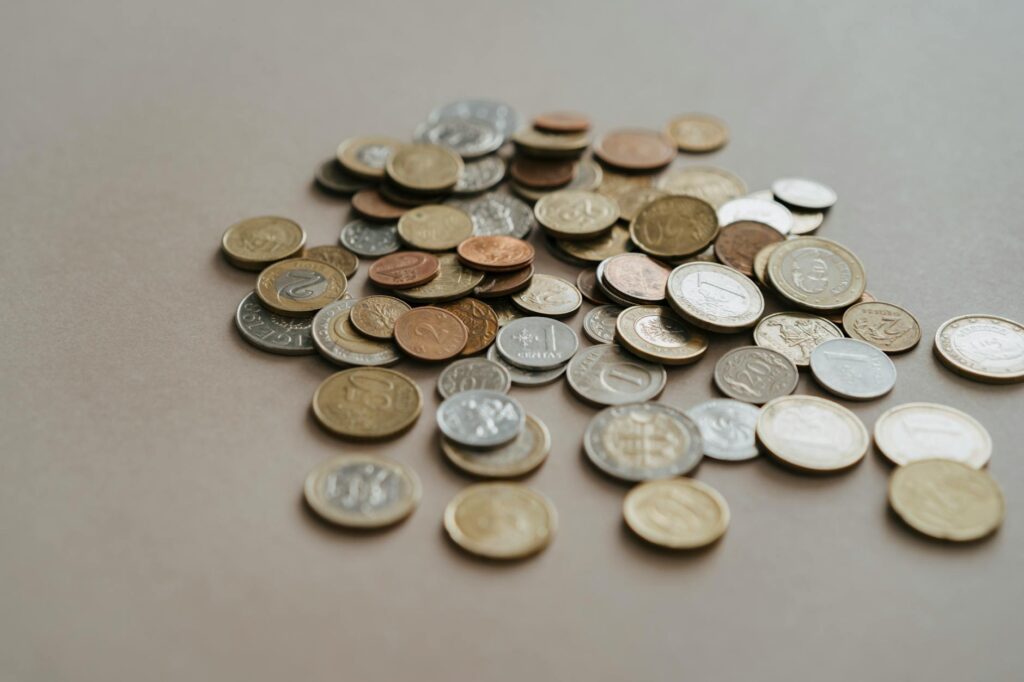
This guide covers everything about Gold Quarter: Unlocking the True Value of This Rare Treasure. A gold quarter isn’t just a coin. it’s a historical artifact and a unique investment. Prized for its rich backstory and intrinsic value, this small coin captures the imagination of collectors and investors alike by marrying beauty with monetary promise. As of April 2026, the allure of gold quarters remains strong, driven by their rarity, historical significance, and the enduring appeal of gold as an asset.
Last updated: April 18, 2026
Latest Update (April 2026)
Recent developments in the precious metals market continue to highlight the enduring appeal of gold. With ongoing global economic uncertainties and a steady demand from both industrial and investment sectors, gold retains its status as a safe-haven asset. While specific ‘gold quarters’ are often commemorative or historical issues rather than modern currency, their value is intrinsically linked to the price of gold and their numismatic rarity. Reports from organizations like the World Gold Council indicate a consistent global demand for gold, with investment inflows remaining a key driver. and, archaeological discoveries continue to unearth ancient gold coinage, reminding us of gold’s long-standing value across civilizations. For instance, Archaeology News Online Magazine recently reported on the unearthing of a rare gold coin of Queen Berenice II in Jerusalem’s City of David, dating back to ancient times, underscoring the historical significance and lasting value of gold artifacts.
In scientific exploration, the Department of Energy (.gov) marked a significant anniversary, exploring a quarter-century of surprises in Quark-Gluon Plasma research in December 2025. While this is a scientific advancement and not directly related to coinage, it highlights how ‘quarters’ of a century are significant markers for discovery and progress, a concept that resonates with the historical timelines associated with valuable numismatic items.
What’s a Gold Quarter?
A gold quarter is a coin primarily crafted from high-purity gold, distinguishing it from regular circulating currency. These coins serve a dual role: they’re highly sought-after by collectors for their aesthetic and historical qualities, and they represent a valuable investment due to their precious metal content. Unlike standard quarters minted for everyday transactions, gold quarters are typically produced as commemorative issues, celebrating significant historical events, figures, or anniversaries. Their relatively small size belies their substantial value — which is derived from the intrinsic worth of the gold they contain and any numismatic premium they command.
History of the Gold Quarter
The origin of gold quarters as distinct numismatic items can be traced back to the early 20th century, though the concept of gold coinage is ancient. These early gold quarters were often minted in limited quantities, frequently serving as special releases to commemorate key moments in history or to honor distinguished individuals. From their inception, many of these coins were intended more for collection and investment than for general circulation. As minting technologies advanced over the decades, the craftsmanship and purity of gold coins, including commemorative quarters, improved significantly. This enhanced quality, coupled with their inherent rarity and historical narratives, began attracting the attention of collectors and investors worldwide — who prized them for their beauty, purity, and historical significance.
The Investment Potential of Gold Quarters
Gold quarters offer a unique set of investment advantages, making them an attractive option for those looking to diversify their portfolios. Their portability is a significant benefit. a substantial amount of value can be stored in a small, easily transportable form. and, their rarity, often stemming from limited mintages and historical demand, can lead to appreciation beyond the mere intrinsic value of the gold. This makes them a compelling hedge against inflation and economic instability. The global demand for gold remains solid, a factor consistently highlighted by sources like the World Gold Council — which reinforces the value proposition of any gold-based asset.
Investors often seek coins that possess historical significance or exceptional rarity, as these attributes can drive their value well beyond the prevailing market price of gold bullion. A gold quarter can fit perfectly within a diversified investment strategy, offering liquidity and a tangible store of value. According to industry reports, the market for rare and collectible gold coins, including high-quality gold quarters, has shown resilience, often outperforming broader market trends during periods of economic uncertainty. The ability to acquire a piece of history while simultaneously investing in a precious metal makes gold quarters a especially appealing choice for discerning investors in 2026.
Identifying Genuine Gold Quarters
Ensuring the authenticity and quality of a gold quarter is really important for collectors and investors. Several key characteristics should be examined. Firstly, verify the coin’s weight and dimensions against official specifications for the particular issue. Reputable sources often provide these details. The design details should be crisp and accurate, reflecting the intended artistry and historical representation. Purity markings, if present, should be clearly visible and consistent with the coin’s expected composition.
A simple yet effective preliminary test for authenticity is the magnet test. Genuine gold isn’t magnetic, so a coin should show no attraction to a strong magnet. However, this test isn’t foolproof, as other non-magnetic metals could be used in counterfeits. For high-value or especially rare gold quarters, consulting professional grading services is highly recommended. Organizations like the Professional Coin Grading Service (PCGS) or the Numismatic Guaranty Company (NGC) offer expert authentication and grading — which not only verifies the coin’s legitimacy but also provides a standardized assessment of its condition, enhancing its marketability and value.
Collecting Gold Quarters: A Passion
The pursuit of collecting gold quarters is a journey that combines historical appreciation with the thrill of the hunt. For enthusiasts, the appeal lies not just in the gold content but in the stories these coins tell and the connection they offer to the past. When beginning a collection, it’s wise to start by purchasing within your financial means, focusing on acquiring coins in the best possible condition relative to their rarity and price point. Documenting each purchase meticulously, including the date, price, source, and condition, can enhance the collection’s overall value and facilitate future transactions.
Engaging with dedicated collector communities, whether online forums or local coin clubs, is invaluable. These communities provide a wealth of knowledge, opportunities to learn about market trends, track down rare finds, and share experiences with fellow enthusiasts. Proper storage is also critical to preserve the condition of your gold quarters. Using inert, archival-quality holders and storing them in a stable environment, away from moisture and extreme temperature fluctuations, will help maintain their luster and integrity. A well-documented provenance, detailing the coin’s ownership history, can further boost its future trade value.
Recent Discoveries and Market Trends (April 2026)
The global market for precious metals and numismatic items remains dynamic. In January 2026, Stock Titan reported on the significant gold pouring activity near Timmins, Ontario, with Discovery ramping up its Porcupine operations, indicating continued large-scale gold extraction efforts. While this pertains to raw gold production, such activities highlight the ongoing importance of gold in the global economy and its continued appeal as an investment asset. The news from October 2025 about Germany’s oldest Saxony coin being unearthed by a metal detectorist by Ancient Origins works as a reminder of how historical treasures, including gold coinage, can resurface, adding to our understanding of past economies and cultures.
The value of gold quarters, therefore, is influenced not only by their gold content and numismatic rarity but also by broader economic factors and the general interest in historical artifacts. As of April 2026, collectors and investors continue to seek out unique pieces that offer both intrinsic value and historical depth. The market for such items is often driven by specific collector demand for particular series or mintages, making research and understanding niche markets essential for successful acquisition and investment.
Frequently Asked Questions
Are gold quarters made from pure gold?
Most gold quarters, especially those intended as collector’s items or investments, are made from high-purity gold alloys. The purity typically ranges from 90% to 99.9% gold, depending on the specific issue and its intended purpose. This high gold content is maintained to ensure their intrinsic value and desirability among collectors and investors.
How do gold quarters differ from other gold coins?
Gold quarters generally differ from larger gold bullion coins (like American Gold Eagles or Canadian Maple Leafs) in several key aspects. they’re typically smaller in size and weight, often feature distinct historical designs or commemorative themes, and may carry a significant numismatic premium over their melt value due to their rarity, historical importance, and condition. Bullion coins are primarily valued for their gold content, whereas gold quarters often derive value from a combination of gold content, historical significance, and collector demand.
what’s the current market like for gold quarters?
The market for gold quarters experiences steady demand from both dedicated numismatists and investors seeking tangible assets. Their performance can be influenced by the price of gold, but also by specific collector interest in certain issues or historical periods. Niche markets for rare gold quarters can sometimes see appreciation that outpaces general gold bullion performance, driven by scarcity and demand. As of April 2026, the market remains active, with prices reflecting both gold’s spot value and the coin’s individual numismatic attributes.
Can I find gold quarters from different countries?
Yes, gold quarters, or coins of similar denomination and size often referred to as ‘gold quarter units’ or commemorative gold coins of that weight and value, have been issued by various countries. Many nations have produced gold coinage as part of their commemorative or historical series, often celebrating national milestones, prominent figures, or cultural heritage. These international gold quarters can offer unique collecting opportunities and add diversity to a portfolio.
Is professional grading necessary for my gold quarters?
Professional grading is highly recommended, especially for gold quarters that are considered valuable due to rarity, historical significance, or condition. Third-party grading services authenticate the coin, assess its condition using a standardized scale, and encapsulate it in a protective holder. This process provides buyers and sellers with confidence in the coin’s authenticity and grade — which can enhance its resale value and liquidity in the market.
Conclusion
Gold quarters represent a fascinating intersection of history, art, and investment. Their value is complex, deriving from the intrinsic worth of gold, their historical context, and their rarity. As of April 2026, the enduring appeal of gold as a store of value, combined with the unique stories and craftsmanship embodied in these coins, ensures their continued desirability among collectors and investors. Whether you’re drawn to their historical narrative, their beauty, or their potential as a stable investment, gold quarters offer a compelling opportunity to own a tangible piece of the past with lasting monetary promise.
Source: Britannica
Related Articles
- Matching Couples Jewelry: What to Actually Buy
- The Allure of Luxury: Discover the Beauty of a 6 Carat Diamond Ring
- Jewelry Auction Insights for 2026
Editorial Note: This article was researched and written by the Wilton Jewelers editorial team. We fact-check our content and update it regularly. For questions or corrections, contact us.