What’s Permanent Jewelry? Dive into the 2026 Craze Everyone Loves
This guide covers everything about what’s Permanent Jewelry? Discover the Trend Everyone’s Talking About. This guide covers everything about what’s Permanent Jewelry? Discover the Trend Everyone’s Talking About. Permanent jewelry represents a lasting accessory, meticulously crafted to remain a constant adornment without the need for removal. Typically, these pieces are expertly welded or soldered for exceptional durability, fitted precisely to your body, and often chosen to symbolize personal meaning or significant connections. As of April 2026, this trend continues to captivate individuals seeking a blend of minimalist elegance, enduring style, and profound sentiment.
Last updated: April 18, 2026
Table of Contents
- What Makes Jewelry Permanent?
- Popular Types of Permanent Jewelry
- Benefits of Permanent Jewelry
- How Permanent Jewelry is Made
- Permanent vs Traditional Jewelry: What’s the Difference?
- Care and Maintenance Tips for Lasting Shine
- Frequently Asked Questions
What Makes Jewelry Permanent?
The defining characteristic of permanent jewelry is its absence of traditional clasps. Instead, these pieces are designed to be welded or soldered directly onto the wearer, creating a smooth and perfectly fitted adornment. This method ensures the jewelry remains securely in place, offering a refined, uninterrupted line that lies flush against the body. Unlike conventional jewelry that might feature clasps prone to wear or loss, permanent pieces are constructed from highly durable metals such as 14k or 18k gold, sterling silver, or platinum. These premium materials not only guarantee longevity and resistance to tarnishing but also contribute to a smooth, comfortable feel against the skin. The lack of clasps or adjustable elements imparts a sophisticated elegance, making each piece a unique accessory that can serve as a powerful symbol of personal connections, cherished memories, or significant life milestones. Permanent jewelry masterfully balances enduring strength with aesthetic appeal, offering a sophisticated alternative to fleeting fashion trends.
Popular Types of Permanent Jewelry
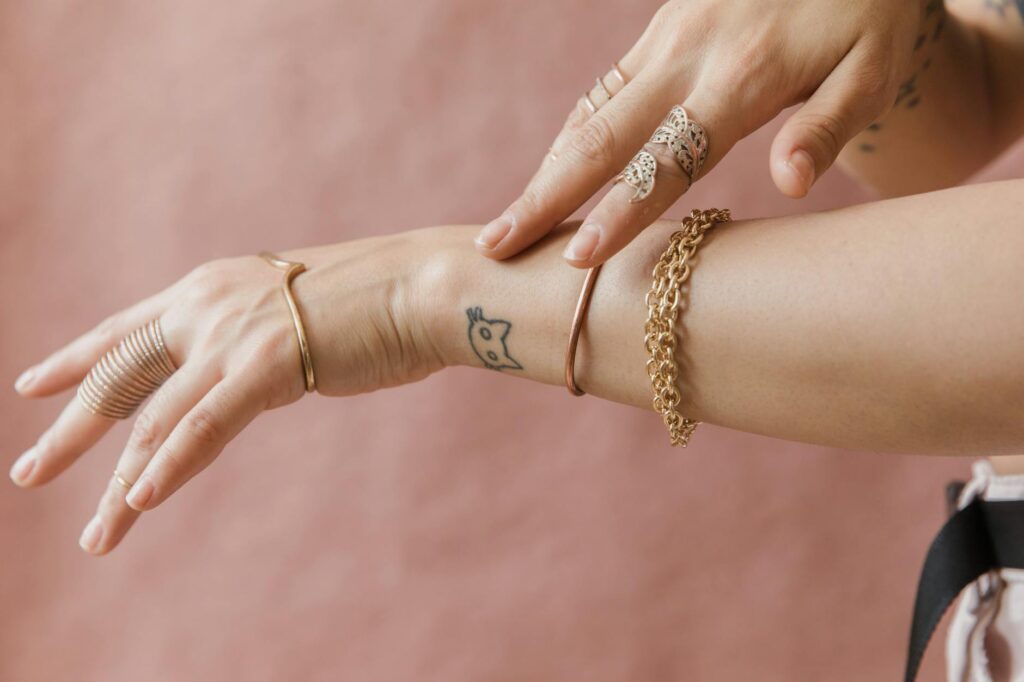
The versatility of permanent jewelry extends across a range of popular adornments, each offering unique possibilities for personalization and expression. Bracelets remain a top choice, often expertly welded to achieve a flawless, custom fit that feels like a second skin. Necklaces are also gaining traction, providing a delicate canvas for meaningful charms or pendants that hold sentimental value. Anklets offer a stylish accent, adding a touch of subtle glamour to any ensemble, especially during warmer months. Permanent rings are increasingly sought after for their profound symbolic weight, frequently chosen for weddings, anniversaries, or as enduring tokens of commitment and love. Each category allows for a high degree of customization. Wearers can infuse their personal stories into these pieces through intricate engravings, the addition of small, meaningful charms, or by selecting specific metal types and finishes. This personalization transforms a simple piece of jewelry into a deeply resonant keepsake.
Benefits of Permanent Jewelry
The enduring appeal of permanent jewelry stems from a compelling combination of durability, unparalleled convenience, and profound sentimental value, solidifying its status as a favored choice for discerning individuals in 2026. The primary advantage is the elimination of clasps — which means wearers no longer need to worry about accidental loss or the constant hassle of fastening and unfastening. This ‘set it and forget it’ approach ensures the jewelry is always ready to complement any occasion, from everyday activities to formal events, thanks to its smooth, snag-free design. Beyond practicality, permanent jewelry works as a beautiful medium for commemorating special events, celebrating personal achievements, or symbolizing enduring relationships. For those who appreciate minimalist aesthetics and understated elegance, these pieces are ideal. The high degree of customization available allows each piece to be uniquely tailored, reflecting the wearer’s personal style while simultaneously holding deep emotional significance. As noted by Voyage Dallas, individuals like Shannon Lambert of Love, Lolli are making waves in the permanent jewelry space, highlighting the growing artisanal focus and personal touch within this industry. This blend of style, ease, and meaning makes permanent jewelry a truly special category of adornment.
How Permanent Jewelry is Made
The creation of permanent jewelry is an art form that demands precision and specialized techniques, typically involving expert welding or soldering to ensure smooth, durable, and aesthetically pleasing designs. The process begins with a meticulous measurement of the specific body part—be it the wrist, neck, or ankle—to ensure a perfect, custom fit. The jeweler then selects high-quality, hypoallergenic metals, such as gold, silver, or platinum alloys, chosen for their durability and resistance to skin reactions. The design is then customized, often incorporating subtle engravings or selecting specific charms that hold personal significance for the wearer. The critical step involves using specialized, precision welding equipment, often a micro-welder, to fuse the ends of the jewelry piece together. This technique creates a smooth, continuous loop without a clasp, ensuring the piece remains securely attached. Following the welding, the jewelry is carefully polished to achieve a lustrous shine and ensure maximum comfort against the skin. This careful, expert process guarantees that the final piece isn’t only beautiful and stylish but also safe and comfortable for continuous wear.
Permanent vs Traditional Jewelry: What’s the Difference?
distinctions between permanent and traditional jewelry reveals why the former has gained such significant traction. The core difference lies in their design and intended wear. Permanent jewelry is intentionally crafted without clasps, requiring professional welding or soldering for application, making it not easily removable by the wearer. Traditional jewelry, conversely, typically features clasps or fastenings that allow for easy removal and reattachment. This fundamental difference impacts durability and maintenance. Permanent pieces, made from solid materials and lacking vulnerable clasps, are designed for long-lasting, continuous wear, minimizing the risk of breakage or loss. Traditional jewelry, while often beautiful, can be more susceptible to wear and tear over time or may have clasps that can break or get lost. Customization is another key differentiator. Permanent jewelry offers a high degree of personalization, from the initial fit to added charms and engravings, making each piece deeply personal. While traditional jewelry can certainly be customized, the process for permanent pieces is often integrated from the start, focusing on a bespoke fit. Maintenance for permanent jewelry is generally low, requiring only occasional cleaning. Traditional jewelry might need more frequent attention, especially if clasps are involved or if materials are prone to tarnishing. In terms of style, permanent jewelry leans towards modern, minimalist, and often symbolic designs, whereas traditional jewelry offers a vast and varied range of styles dictated by different brands and eras.
| Feature | Permanent Jewelry | Traditional Jewelry |
|---|---|---|
| Removal | Not easily removed; requires professional cutting | Easily removed and reattached |
| Durability | Designed for long-lasting, continuous wear | Varies; can wear out or break, clasps can fail |
| Customization | High, personalized fit and design elements | Varies by brand and piece; often limited to size/engraving |
| Sentimental Value | High, often tied to significant life events or commitments | Medium to high, depending on origin and meaning |
| Maintenance | Low; primarily cleaning | Can be moderate; cleaning, clasp checks |
| Style Focus | Modern, minimalist, symbolic, bespoke fit | Extremely varied; depends on brand, era, type |
This comparison highlights the growing appeal of permanent jewelry for those seeking enduring, meaningful, and effortlessly stylish adornments.
Care and Maintenance Tips for Lasting Shine
Ensuring your permanent jewelry retains its brilliance and integrity requires simple yet consistent care. As highlighted by The Spruce’s recent testing of jewelry cleaners, maintaining shine is achievable with the right approach. To preserve the beauty of your permanent pieces, it’s advisable to avoid direct contact with harsh chemicals found in perfumes, lotions, hairsprays, and cleaning agents, as these can accelerate tarnishing or damage certain metal finishes. Regular gentle cleaning with a soft, lint-free cloth, such as a jewelry polishing cloth, is recommended to maintain its luster and remove any surface oils or residue. For a more thorough clean, a mild soap and water solution can be used, followed by a thorough rinse and gentle drying. Experts recommend periodically inspecting the jewelry for any signs of wear or damage, although this is rare with properly welded pieces. While permanent jewelry is designed for 24/7 wear, it’s prudent to avoid wearing it during activities that involve significant physical impact or exposure to abrasive materials, such as intense workouts, gardening, or certain manual labor, as these could potentially stress the weld point or the metal itself. By adhering to these straightforward tips, you can ensure your permanent jewelry remains a cherished and pristine accessory for years to come.
Latest Developments in Jewelry Trends
The world of personal adornment is constantly evolving, and 2026 is no exception. Real Simple recently highlighted emerging jewelry trends for Winter 2026, noting the resurgence of classic, heirloom-quality pieces, including accessories that are described as ‘grandma-approved.’ This suggests a growing appreciation for timeless designs and items with a sense of history or enduring quality, aligning perfectly with the ethos of permanent jewelry. and, the New York Post has spotlighted waterproof jewelry brands, emphasizing the demand for pieces that can withstand daily life without losing their sparkle or integrity. Brands focusing on materials like solid gold, platinum, and high-quality stainless steel are gaining prominence, catering to consumers who desire low-maintenance, all-weather accessories. This trend further validates the appeal of permanent jewelry — which is typically made from durable, tarnish-resistant metals designed for constant wear.
Frequently Asked Questions
Is permanent jewelry safe for everyday wear?
Yes, permanent jewelry is considered safe for everyday wear when crafted by experienced professionals using high-quality, hypoallergenic metals like gold, sterling silver, or platinum. The welding process is precise and designed to be comfortable and secure. Reputable jewelers ensure the materials used minimize the risk of skin irritation or allergic reactions.
Can permanent jewelry be removed if necessary?
Absolutely. While designed to be permanent, it can be removed when desired. Removal typically requires a specialized pair of small wire cutters or jewelry snips to safely cut the jump ring. It’s best to have a professional jeweler perform the removal to avoid any potential damage to the surrounding skin or the jewelry piece itself, should you wish to have it re-welded later.
Will permanent jewelry irritate my skin?
For most individuals, high-quality permanent jewelry made from materials like gold, platinum, or sterling silver poses a very low risk of skin irritation. These metals are naturally hypoallergenic. However, if you have extreme metal sensitivities, it’s always advisable to consult with your jeweler about the specific materials used and consider a patch test if available.
What happens if my body size changes significantly?
If your body size changes, potentially affecting the fit of your permanent jewelry, adjustments can usually be made. A jeweler can carefully cut the existing piece and re-weld it to a new, adjusted size. This process ensures the jewelry continues to fit comfortably and maintain its aesthetic appeal. It’s recommended to address fit issues promptly.
Is the cost of permanent jewelry justified?
The cost of permanent jewelry is often considered an investment rather than a simple purchase. It reflects the use of premium, durable materials (like solid gold or platinum), the specialized skills and equipment required for precise welding, and the bespoke, custom-fitted nature of the piece. For many, the convenience, symbolic value, and enduring style make it a worthwhile expenditure for a piece of jewelry intended to last a lifetime.
Conclusion
Permanent jewelry has firmly established itself as a significant and beloved trend in 2026, offering a unique fusion of enduring style, effortless wearability, and deep personal meaning. Whether chosen as a symbol of a lasting bond, a personal milestone, or simply as an elegant, hassle-free accessory, these meticulously crafted pieces provide a timeless addition to any individual’s collection. The combination of high-quality materials, precise craftsmanship, and the absence of clasps ensures both durability and comfort, making it an ideal choice for those seeking jewelry that truly lasts. As the trend continues to evolve with new designs and a growing emphasis on personalization, permanent jewelry invites everyone to embrace a style that’s as enduring as it’s meaningful.
Source: Britannica
Related Articles
- The Largest Lab Diamond: Transforming Luxury in 2026
- Rhodium Plating: What Changed &. What to Know Now
- 18k Gold Earrings: Timeless Elegance in 2026
Editorial Note: This article was researched and written by the Wilton Jewelers editorial team. We fact-check our content and update it regularly. For questions or corrections, contact us.