This guide covers everything about Discover the Elegance and Timeless Appeal of Baguette Diamonds. Baguette diamonds continue to captivate with their sleek elegance and minimalist sophistication. Emerging prominently during the Art Deco era, these rectangular, step-cut stones reflect a timeless charm that remains unmatched in contemporary jewelry design. Their clean lines and understated brilliance offer a distinct aesthetic that appeals to a lots of tastes, from those who appreciate vintage-inspired pieces to individuals seeking modern, understated luxury.
Last updated: April 18, 2026
Latest Update (April 2026)
As of April 2026, the demand for baguette diamonds shows a steady resurgence, especially in bespoke engagement rings and statement jewelry. Industry reports from leading gemological institutes indicate a growing appreciation for step-cut diamonds, including baguettes, for their unique fire and clarity presentation. Jewelers are increasingly incorporating them not just as accent stones but as captivating centerpieces, often paired with bolder, geometric settings that echo their Art Deco origins. and, advancements in laboratory-grown diamond technology have made baguette cuts more accessible, offering sustainable and ethically sourced options that align with consumer preferences for responsible luxury. The trend towards personalized jewelry also favors baguettes, as their versatile shape allows for creative arrangements and unique patterns in custom designs.
According to a recent analysis by the Gemological Institute of America (GIA) in late 2025, there’s a notable uptick in the use of baguette diamonds in high-end fashion jewelry collections. Designers are experimenting with mixed-cut designs — where baguettes are artfully combined with brilliant-cut stones to create dynamic contrasts in sparkle and form. This trend highlights the baguette’s adaptability, proving it can hold its own or enhance other diamond cuts. The GIA also noted a continued interest in vintage pieces featuring baguettes, driving demand for both antique stones and modern reproductions that capture the essence of early 20th-century design. This enduring appeal highlights the baguette’s status as a classic yet evolving gemstone choice.
What Defines a Baguette Diamond?
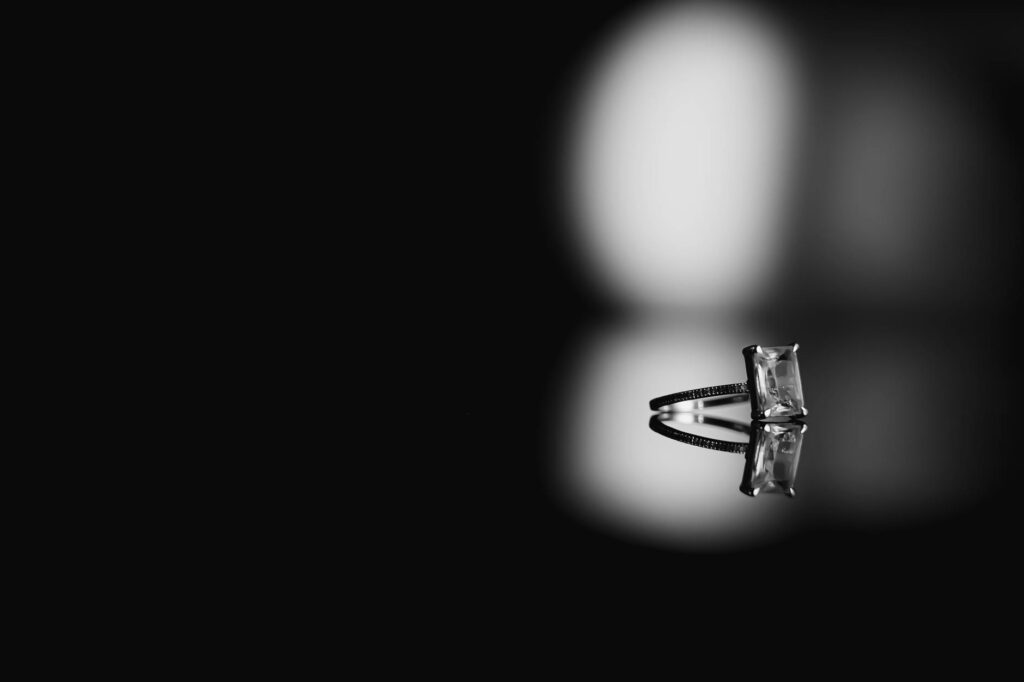
A baguette diamond is precisely defined by its rectangular shape, characterized by clean, straight edges and an elongated form. The name itself derives from the French word ‘baguette,’ meaning ‘little stick,’ which aptly describes its slender silhouette. Unlike brilliant-cut diamonds — which feature numerous small facets designed to maximize sparkle, the baguette diamond is a step-cut stone. This means it has fewer, longer, and parallel facets arranged in a stair-like pattern. This distinctive cutting style results in a subtle, sophisticated brilliance, emphasizing clarity and the stone’s inherent color rather than fiery scintillation. Baguette diamonds are available in a range of sizes, from petite accent stones to more substantial feature gems, and can be found as both naturally mined diamonds and laboratory-grown diamonds.
Variations in Baguette Cuts
While the classic baguette is a simple rectangle, variations exist to enhance design possibilities. These include:
- Square Baguette: Often referred to as a princess cut if it has brilliant-cut facets, but a square step-cut stone can also be considered a type of baguette.
- Tapered Baguette: These stones narrow towards one end, creating a more dynamic shape that’s especially effective when used in pairs or as flanking stones in ring designs.
- Carbide Baguette: While not a diamond, this term sometimes appears in industrial contexts. in jewelry, ‘baguette’ almost exclusively refers to diamonds or other gemstones.
The precision of the step-cut facets requires exceptional clarity and color in the rough material, as any imperfections are more readily visible than in a brilliant cut. This makes high-quality baguettes especially prized.
The Historical Rise of Baguette Diamonds
Baguette diamonds rose to prominence during the dazzling 1920s, a period synonymous with the Art Deco movement. This era celebrated geometric forms, symmetry, and a departure from the ornate styles of the preceding Victorian age. The clean, linear aesthetic of the baguette diamond perfectly complemented the architectural and artistic sensibilities of Art Deco. Its simplicity and elegance made it an ideal choice for the era’s elaborate jewelry designs, often used in elaborate geometric patterns, channel settings, and as accent stones surrounding larger, more prominent gems. Their appearance in iconic pieces of the time cemented their status as a symbol of modern sophistication and luxury, a legacy that continues to resonate today.
Unique Characteristics of the Baguette Cut
The defining feature of the baguette cut is its step-facet arrangement. These long, straight facets create a distinctive type of brilliance characterized by flashes of light and clear planes, rather than the intense sparkle of a brilliant cut. This cut emphasizes the diamond’s clarity and color, making inclusions and color grading more apparent. The angular, geometric nature of the baguette cut lends itself to designs that are both modern and classic. Its simplicity is a strength, allowing it to pair harmoniously with other gemstones and design elements without overwhelming them. The elongated shape also has a slimming effect, making fingers appear longer when used in rings.
Step-Cut vs. Brilliant-Cut
The fundamental difference lies in the facet structure and the resulting light performance:
- Step-Cut (Baguette): Features long, parallel facets, creating broad planes of light and subtle flashes. It highlights clarity and color.
- Brilliant-Cut (Round, Princess): Features numerous small facets arranged to maximize light reflection and dispersion, resulting in intense sparkle and fire.
While brilliant cuts are prized for their fire and scintillation, step cuts like the baguette offer a more understated, sophisticated glow that appeals to a different aesthetic sensibility. Experts often recommend step cuts for diamonds with exceptional clarity and color, as these qualities are more easily showcased.
Why Choose Baguette Diamonds for Your Jewelry?
The enduring appeal of baguette diamonds stems from their timeless geometric elegance. They offer a versatile option for a wide array of jewelry pieces, providing both significant aesthetic value and a unique visual signature. Their clean lines integrate smoothly into various design styles, from minimalist bands to elaborate statement pieces. For those seeking a departure from the ubiquitous round brilliant, the baguette offers a sophisticated alternative that speaks to individuality and refined taste. and, as noted in industry trends for 2026, baguette diamonds are increasingly sought after for their ability to add a touch of vintage glamour or modern architectural flair to any design.
Value and Perception
Baguette diamonds are often more affordable per carat than round brilliant diamonds of comparable quality. Here’s primarily due to the simpler cutting process and the fact that they typically don’t require as much rough diamond material to be expertly shaped. This cost-effectiveness allows buyers to potentially acquire larger stones or incorporate more diamonds into a piece without exceeding their budget. However, this doesn’t diminish their value. their unique aesthetic and historical significance ensure their desirability in the jewelry market.
Common Settings for Baguette Diamonds
Baguette diamonds are exceptionally versatile and shine in numerous settings. they’re frequently used as accent stones, flanking a larger center diamond in engagement rings. Their linear shape makes them ideal for channel settings — where they’re set side-by-side within a groove of metal, creating a smooth, unbroken line of sparkle. They also feature prominently in:
- Engagement Rings: As side stones, accentuating a central gem, or as part of a geometric halo.
- Wedding Bands: Often set flush in channel or pavé settings for a sleek, comfortable fit.
- Tennis Bracelets: Used either as the primary stone or interspersed with other cuts for added dimension.
- Earrings: Studs, drops, or hoops can be beautifully adorned with baguette diamonds.
- Necklaces and Pendants: Adding a touch of subtle sparkle to chains or forming part of a larger pendant design.
The choice of setting influences the overall look. A platinum or white gold setting often enhances the cool, clean brilliance of baguette diamonds, while yellow or rose gold can provide a warmer contrast.
Maintaining Your Baguette Diamond Jewelry
Proper care is essential to preserve the beauty and integrity of baguette diamond jewelry. Due to their step-cut facets and often exposed corners, baguettes can be more susceptible to chipping or abrasion than brilliant cuts, especially when used as accent stones in high-wear pieces like engagement rings. Regular cleaning and mindful handling are key.
Care and Cleaning Tips
- Regular Cleaning: Gently clean your baguette diamond jewelry at home using a soft toothbrush, warm water, and a mild dish soap. Avoid harsh chemicals or abrasive cleaners. For deeper cleaning, consult a professional jeweler.
- Avoid Impacts: Be mindful of activities that could lead to impacts, such as sports or household chores, as the corners of baguette diamonds can be vulnerable.
- Professional Inspection: Have your jewelry professionally inspected and cleaned at least annually. A jeweler can check the security of the settings and ensure the diamonds are free from damage. Reports from jewelry care experts consistently recommend this for all diamond jewelry, especially those with step cuts.
- Storage: Store your baguette diamond jewelry separately from other pieces to prevent scratching. Soft pouches or lined jewelry boxes are ideal.
Comparison: Baguette vs. Round Brilliant Diamonds
differences between baguette and round brilliant diamonds is Key when making a jewelry purchase. Each cut offers a distinct aesthetic and performance.
| Feature | Baguette Diamonds | Round Brilliant Diamonds |
|---|---|---|
| Facet Style | Step-cut (long, parallel facets) | Brilliant-cut (numerous small facets) |
| Shape | Rectangular (elongated) | Round |
| Light Performance | Subtle brilliance, clarity emphasis, flashes of light | Maximum sparkle, fire, and scintillation |
| Aesthetic | Elegant, minimalist, geometric, vintage | Classic, timeless, brilliant sparkle |
| Value (per carat) | Typically lower cost due to simpler cutting | Higher cost due to cutting complexity and popularity |
| Durability | Vulnerable corners, requires careful handling | More solid due to rounded shape and facet placement |
| Ideal Use | Accent stones, channel settings, geometric designs | Center stones, versatile for all designs |
Frequently Asked Questions
Are Baguette Diamonds Durable?
Baguette diamonds are durable gemstones, but their step-cut faceting and sharp corners can make them more susceptible to chipping or abrasion compared to the more rounded and protected facets of a brilliant-cut diamond. Users report that with mindful wear and proper care, such as avoiding hard impacts and regular cleaning, baguette diamonds can withstand daily wear, especially when set securely.
Do Baguette Diamonds Shine Differently?
Yes, baguette diamonds shine differently. Their step-cut facets create a distinct type of brilliance characterized by broad planes of light and subtle flashes, rather than the intense sparkle and fire associated with brilliant-cut diamonds. This understated elegance highlights the diamond’s clarity and color, offering a sophisticated glow.
Can Baguette Diamonds Be Center Stones?
Absolutely. While often used as accent stones, baguette diamonds can serve as striking center stones, especially for those seeking a unique and non-traditional engagement ring or piece of jewelry. Their clean lines and elegant proportions make them a bold statement when featured prominently.
How Are Baguette Diamonds Priced?
Baguette diamonds are typically priced lower per carat than round brilliant diamonds of equivalent quality. Here’s mainly because the cutting process is less complex, and they often require less rough diamond material to achieve their final shape. The price is still heavily influenced by the diamond’s cut quality, color, clarity, and carat weight.
What Jewelry Styles Best Complement Baguette Diamonds?
Baguette diamonds complement a lots of jewelry styles, from minimalist and modern designs to elaborate vintage-inspired pieces. Their clean, geometric lines work exceptionally well in Art Deco settings, contemporary geometric patterns, and as elegant accents in classic jewelry like tennis bracelets and stud earrings. They add a touch of refined sophistication to any design.
Are Lab-Grown Baguette Diamonds a Good Option?
Yes, lab-grown baguette diamonds are an excellent option, especially for those seeking ethical and cost-effective alternatives. Advances in technology have made it possible to produce high-quality lab-grown diamonds in the baguette cut, offering the same physical and chemical properties as natural diamonds but often at a lower price point. Industry experts note their increasing popularity in 2026.
Conclusion
The baguette diamond, with its roots in the glamorous Art Deco era, continues to be a symbol of timeless elegance and sophisticated style in 2026. Its unique step-cut faceting offers a distinct brilliance that emphasizes clarity and form, making it a versatile choice for accent stones, side stones, or even captivating centerpieces. Whether set in engagement rings, bracelets, earrings, or necklaces, the baguette diamond provides a clean, geometric aesthetic that complements both classic and contemporary designs. With proper care and a thoughtful selection of settings, baguette diamond jewelry offers enduring beauty and a unique appeal that stands the test of time.
Source: Nature
Related Articles
- Pink Diamonds: Beauty, Rarity, and Investment Value in 2026
- Jewelry Stores in Wilton: What Data Reveals
- Timeless Elegance: Gold Watches for Men in 2026
Editorial Note: This article was researched and written by the Wilton Jewelers editorial team. We fact-check our content and update it regularly. For questions or corrections, contact us.