Jewelry Industry News Today: Key Trends and Innovations in 2026
This guide covers everything about Jewelry Industry News Today: Trends, Insights &. Market Updates You Need. This guide covers everything about Jewelry Industry News Today: Trends, Insights &. Market Updates You Need. The jewelry industry in 2026 continues to be a dynamic space, shaped by a powerful trifecta: a deepening commitment to sustainability, rapid technological advancements, and the ever-evolving tastes of consumers. Staying informed about these key industry developments is really important for experts, designers, and retailers alike as they work to reshape the market landscape.
Last updated: April 18, 2026
How Is Sustainability Shaping the Jewelry Industry?
Consumers in 2026 are increasingly prioritizing eco-conscious designs and ethical sourcing. Demand is growing solidly for gemstones that aren’t only beautiful but also responsibly acquired, alongside a strong preference for recycled metals. According to industry analyses, these sustainable practices are rapidly becoming the industry standard, driven by heightened environmental awareness and a desire for transparency throughout the supply chain.
1. Eco-Friendly Gemstones: The Rise of Lab-Grown Diamonds
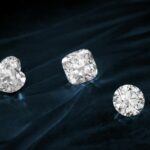
Lab-grown diamonds continue their surge in popularity, offering a compelling ethical alternative to traditionally mined stones. Major players in the industry, including established brands like De Beers, are actively investing in and promoting sustainable sourcing initiatives and the production of these alternative diamonds. This trend isn’t merely a niche market. it represents a fundamental shift in how consumers perceive and acquire diamond jewelry, driven by both ethical considerations and often more accessible price points compared to their mined counterparts. As reported by CBS News in October 2025, lab-grown diamonds are shaking up the established jewelry industry by providing a viable, responsible option for a growing segment of the market.
2. Recycled Metals: Closing the Loop in Jewelry Production
Jewelers are increasingly incorporating recycled metals into their designs to decrease their environmental impact. This practice aligns directly with consumer demands for greater transparency and a reduced ecological footprint. From reclaimed gold and silver to platinum, the use of recycled materials is becoming a hallmark of responsible jewelry brands. This approach not only benefits the environment but also helps mitigate some of the price pressures associated with newly mined metals, as highlighted by recent market analyses.
What Are the Top Jewelry Trends in 2026?
The dominant jewelry trends in 2026 reflect a consumer desire for personal expression, authenticity, and enduring style. Minimalist designs, the continued embrace of lab-grown diamonds, and the revival of vintage aesthetics are all key influences shaping the market. These trends cater to a diverse audience seeking pieces that resonate on a personal level.
Minimalist and Personalized Jewelry
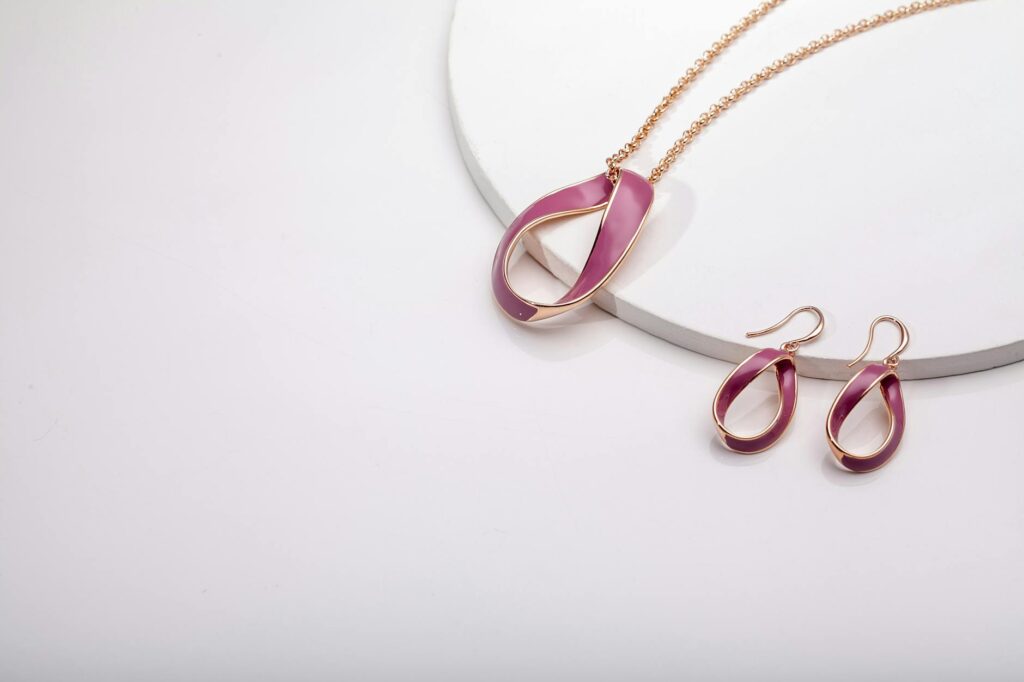
there’s a pronounced consumer buy-in for simplicity, but with a distinct personal touch. Pieces incorporating initials, birthstones, or custom engravings are highly sought after. This trend toward personalization allows consumers to invest in jewelry that tells their unique story, making each piece a meaningful keepsake. This approach moves beyond fleeting fashion trends, focusing on longevity and emotional connection.
Lab-Grown Diamonds and Sustainable Gems
As previously mentioned, lab-grown diamonds are a cornerstone trend in 2026. Their appeal lies in their combination of sustainability, ethical sourcing, and often, a more accessible price point. This resonates especially well with younger, environmentally conscious audiences, including millennials and Gen Z. Beyond diamonds, there’s a growing appreciation for other sustainable gemstones, sourced with clear ethical and environmental standards.
Vintage Revivals and Heirloom Quality
A nostalgic sentiment is driving a revival of vintage designs and an appreciation for heirloom-quality pieces. Consumers are drawn to the craftsmanship and unique stories associated with older jewelry styles. This trend often intersects with personalization, as individuals seek to adapt or reimagine vintage pieces to fit modern aesthetics or incorporate them into their personal collections.
How Is Technology Transforming Jewelry Shopping?
Technological advancements, especially in augmented reality (AR) and e-commerce platforms, are creating more interactive and engaging shopping experiences for jewelry consumers. The ability to virtually try on jewelry before making a purchase is boosting consumer confidence and, So, conversion rates for online retailers. Independent research from entities like IDC indicates a substantial increase in online jewelry sales, partly attributed to the integration of AR technologies, underscoring the significant shift towards digital channels in the jewelry market.
1. AR Try-Ons: Enhancing the Online Experience
AR try-on features allow customers to visualize how a piece of jewelry will look on them using their smartphone or computer camera. This technology not only boosts confidence in online purchases by providing a realistic preview but also helps reduce the likelihood of returns, promoting greater brand transparency and customer satisfaction. This innovation is especially impactful for high-value items like engagement rings and statement necklaces.
2. Blockchain for Authenticity and Provenance
Blockchain technology is increasingly being adopted to enhance trust and security within the jewelry industry. By creating an immutable digital ledger, blockchain can secure the provenance and authenticity of jewelry pieces, effectively preventing fraud and providing consumers with verifiable information about a product’s origin and history. Here’s especially vital for high-value gemstones and pieces with complex supply chains.
Market Dynamics: Dominant Segments in 2026
The jewelry market in 2026 is distinctly segmented, with distinct categories catering to a wide array of consumer preferences and purchasing power. Understanding these segments is key for businesses aiming to capture specific market share. The primary segments include luxury, fashion, sustainable, and the emerging category of smart jewelry.
| Segment | Target Audience | Popular Products | Key Drivers |
|---|---|---|---|
| Luxury | Affluent buyers seeking exclusivity and investment value | High-carat diamond necklaces, bespoke gemstone pieces, rare vintage finds | Brand prestige, craftsmanship, rarity, perceived investment potential |
| Fashion | Budget-conscious millennials and Gen Z, trend-followers | Statement bracelets, colorful gemstone fashion rings, minimalist necklaces | Affordability, current trends, social media influence, self-expression |
| Sustainable | Ethically-minded consumers of all ages | Lab-grown diamond engagement rings, recycled gold jewelry, ethically sourced gemstone pendants | Environmental consciousness, ethical sourcing, transparency, social responsibility |
| Smart Jewelry | Tech-savvy individuals, those seeking integrated functionality | Smart rings for payments, connected bracelets with health tracking, discreet notification jewelry | Convenience, functionality, integration with digital life, unique features |
Economic Headwinds: Challenges Facing Jewelers Today
Despite a generally solid market, jewelers in 2026 face significant challenges that require strategic management for sustained success. The most pressing of these include the escalating costs of raw materials and the persistent issue of counterfeiting. As The New York Times recently reported in March 2026, rising gold and silver prices are creating considerable market volatility, forcing the industry to adapt.
Rising Material Costs: Navigating Price Fluctuations
The cost of precious metals like gold and platinum has seen significant upward pressure. According to glossy.co’s Fashion Briefing in April 2026, gold prices are skyrocketing, squeezing jewelry industry margins in uncomfortable ways. These fluctuations directly impact profitability and necessitate a strategic approach to pricing, sourcing, and potentially, the exploration of alternative materials or increased reliance on recycled content. Jewelers must be agile in their procurement strategies and transparent with consumers about pricing adjustments.
Counterfeiting and Authenticity Concerns
The prevalence of counterfeit goods remains a persistent threat. Ensuring the authenticity and quality of jewelry, especially with the rise of lab-grown alternatives and complex global supply chains, is critical. Technologies like blockchain are instrumental in combating this issue by providing verifiable proof of origin and authenticity.
Adapting to Evolving Consumer Demands
Beyond economic factors, jewelers must continuously adapt to rapidly changing consumer preferences. The demand for personalization, ethical sourcing, and technologically integrated pieces requires ongoing innovation in product design, marketing, and customer service. Fast Company noted in October 2025 that jewelry trends are transforming a $78 billion market, emphasizing the need for agility.
Frequently Asked Questions
Why are lab-grown diamonds so popular in 2026?
Lab-grown diamonds have gained significant traction due to their ethical sourcing, lower environmental impact compared to traditional mining, and often more accessible price points. They appeal strongly to millennials and Gen Z consumers who prioritize sustainability and value. Reports indicate they offer a compelling alternative without compromising on quality or appearance.
How does AR technology enhance jewelry sales?
Augmented Reality (AR) technology improves the online jewelry shopping experience by allowing customers to virtually try on pieces using their devices. This feature increases consumer confidence, reduces purchase anxiety, and contributes to a decrease in product returns, ultimately boosting online sales conversion rates.
What defines sustainable jewelry in the current market?
Sustainable jewelry is defined by its use of ethically sourced materials, eco-friendly production processes, and a commitment to minimizing environmental footprint. This includes recycled metals, responsibly mined or lab-grown gemstones, and transparent supply chains that uphold fair labor practices.
what’s the role of blockchain in the modern jewelry industry?
Blockchain technology plays a vital role in providing enhanced transparency, security, and traceability for jewelry pieces. It ensures authenticity, verifies provenance, and helps combat fraud by creating an immutable record of a product’s journey from source to consumer.
How are consumer preferences shifting in the jewelry market?
Consumer preferences are notably shifting towards personalized, unique, and ethically produced jewelry. There’s a strong demand for pieces that reflect individual identity, incorporate sustainable practices, and often integrate technology for added convenience or functionality. Younger generations are especially driving these changes.
How are rising gold prices affecting the jewelry industry?
According to recent industry reports like those from glossy.co and The New York Times, skyrocketing gold prices are impacting the jewelry industry’s profit margins. This necessitates strategic adjustments in pricing, sourcing, and potentially a greater focus on alternative metals or recycled gold to maintain competitiveness and affordability for consumers.
Conclusion
The jewelry industry in 2026 is navigating a complex yet exciting period. Sustainability, technological integration, and personalized consumer desires are the driving forces. While challenges like fluctuating material costs persist, the industry’s ability to innovate, embrace transparency, and cater to evolving ethical and aesthetic preferences will determine its continued success and growth. Staying abreast of these trends and adapting strategies accordingly is key for any stakeholder aiming to thrive in this vibrant market.
Source: Nature
Related Articles
- Gold Price Forecast 2026: Preparing for a $5,000/oz Breakthrough
- The Ultimate Statement of Love: Avoiding 6 Carat Diamond Ring Mistakes
- Men's Gold Rings: Timeless Elegance &. Iconic Accessories in 2026
Editorial Note: This article was researched and written by the Wilton Jewelers editorial team. We fact-check our content and update it regularly. For questions or corrections, contact us.