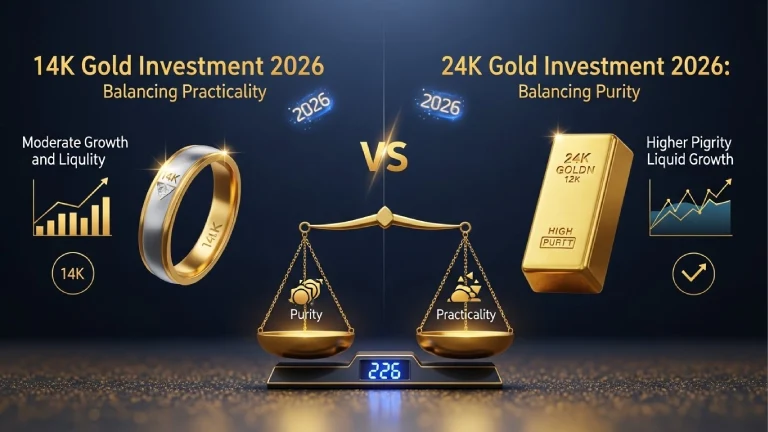
As we navigate the financial waters of 2026, gold has solidified its position as the world’s most trusted hedge against economic uncertainty. With gold prices hovering around $4,400 to $4,500 per ounce at the start of this year, every gram counts. However, for the modern investor at wiltonjewellers.com, the question isn’t just about “buying gold”—it’s about choosing the right karat.
In this 1500-word deep dive, we will break down the crucial differences between 14K and 24K gold, specifically looking through the lens of a 2026 investor who wants beauty, durability, and a solid return on investment.
The Karat System Explained: More Than Just Numbers
Before we jump into the 2026 market trends, we must understand the math. The term “Karat” (K) measures the purity of gold out of 24 parts.
- 24K Gold: This is 99.9% pure gold. It is the gold in its natural, untarnished state. It is bright yellow, soft, and extremely valuable.
- 14K Gold: This is 58.3% pure gold, mixed with 41.7% alloy metals like copper, silver, or zinc.
The 2026 Investment Shift: Why 14K is Leading the “Light Luxury” Trend
One of the most surprising Rare Gemstone Value Trends 2026 is actually happening in the gold sector. According to market data from MEXC News, sales of 14K gold chains have grown by 38% in early 2026.
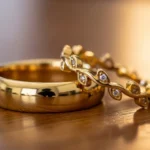
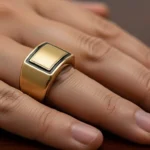
Why? Because in 2026, investors are looking for “Utility.” 24K gold, while pure, is too soft for daily wear. If you buy a 24K ring, it will bend and scratch easily. 14K gold offers the perfect balance—it retains over 50% gold value while being durable enough to wear every single day. At wiltonjewellers.com, we call this the “Wearable Wealth” strategy.
Resale Value: The Reality of 2026
If you are buying purely for investment, 24K is the king. When you sell 24K gold, you get the full “spot price” of the market. However, 14K gold has a surprisingly strong resale market in 2026. Because 14K is the standard for most commercial jewelry, its liquidity is high.
- 24K Resale: 98-100% of melt value.
- 14K Resale: 58% of the gold weight plus a small “design premium” if the piece is from a reputable house like Wilton Jewellers.
Durability: The Hidden Cost of Purity
Imagine buying a 24K gold bracelet and losing a link because the metal was too soft. That is a direct financial loss. In 2026, durability is a form of value preservation. 14K gold is reinforced with alloys, making it resistant to the wear and tear of modern life. This is why most “Investment Jewelry” designed for daily use is crafted in 14K or 18K.
Which Should You Choose?
At wiltonjewellers.com, we advise our clients to categorize their purchases:
- For the Safe: If you plan to put your gold in a bank locker and never touch it, go for 24K. It tracks the market price perfectly.
- For the Wardrobe: If you want to enjoy your wealth and wear it to meetings or weddings, 14K is the smarter choice. It looks premium, stays polished, and holds its value better than any other “alloyed” gold.
Conclusion: Smart Gold Ownership in 2026
The 14K vs 24K Gold Investment 2026 debate doesn’t have a single winner—it depends on your lifestyle. As gold continues its bullish run toward $5,000/oz, the best move is to have a diversified portfolio of both pure bullion and high-quality 14K wearable pieces.
Author Bio
About the Author: Jack Reacher
Jack Reacher is a Senior Asset Analyst and Gold Specialist at wiltonjewellers.com. With two decades of experience in the bullion markets of London and Dubai, Jack has a unique perspective on how precious metals behave during economic shifts. He specializes in “Liquid Jewelry” and helps clients build portfolios that balance aesthetic beauty with financial security. Jack is a regular contributor to global wealth management blogs and a firm believer that gold is the only true currency that has survived the test of time.