
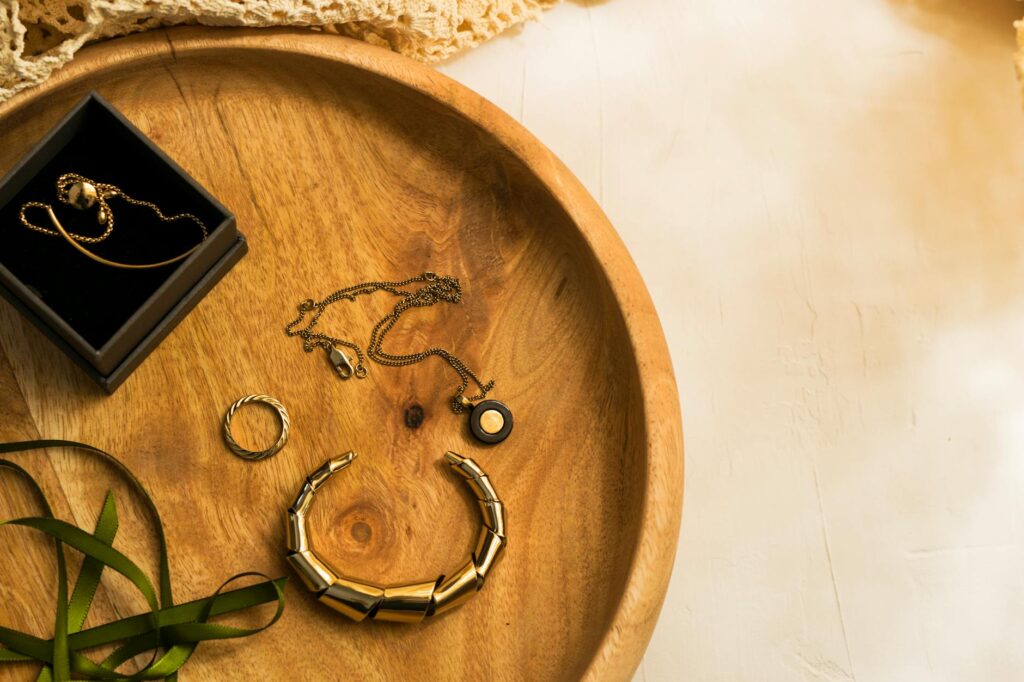
This guide covers everything about 10k vs 14k Gold: Purity, Price, and Durability (2026 Edition). This guide covers everything about 10k vs 14k Gold: Purity, Price, and Durability (2026 Edition). Choosing between 10k and 14k gold involves understanding distinct characteristics that influence your jewelry buying experience. As of April 2026, the market continues to offer these popular gold purities, each with its own set of advantages. 10k gold, defined by its 41.7% gold purity, is favored for its enhanced durability and affordability, though it presents a less vibrant hue. In contrast, 14k gold, boasting 58.3% gold content, offers a richer, warmer color and a higher intrinsic value, making it a long-standing favorite for fine jewelry. This guide will help you discern which gold purity best aligns with your lifestyle, aesthetic preferences, and budget in 2026.
Last updated: April 18, 2026
Latest Update (April 2026)
In early 2026, the gold market has demonstrated continued strength, with average prices surging by approximately 10% compared to the previous year, according to reports from the World Gold Council. This sustained demand highlights gold’s enduring appeal as both a luxury commodity and a stable investment. Recent trends also highlight a growing consumer interest in personalized jewelry, with retailers like A Plus Me featuring options for Claddagh rings and engagement rings in various gold karats, including 10k, 14k, and 18k, often incorporating gemstones and customizable engraving. As reported by Yahoo Finance in December 2025, the optimal time to sell gold jewelry is often considered to be when market prices are high, a condition that currently prevails, suggesting that pieces crafted from 14k gold, with its higher intrinsic value, may yield more favorable returns upon resale.
Purity and Composition: Karat System
The karat (k) system is the universal standard for measuring the purity of gold in jewelry. It signifies the proportion of pure gold within an alloy — where 24 karats (24k) represents pure gold (99.9% or higher). The difference between 10k and 14k gold lies directly in their gold content:
- 10k Gold: This alloy is composed of 10 parts pure gold out of 24 total parts, equating to 41.7% pure gold. The remaining 58.3% consists of other metals, often referred to as alloys. These alloys are mixed with gold to enhance its hardness, durability, and to achieve different color variations.
- 14k Gold: This alloy contains 14 parts pure gold out of 24, resulting in 58.3% pure gold. The remaining 41.7% is made up of alloys. This higher percentage of pure gold gives 14k jewelry a richer color and greater intrinsic value compared to 10k.
In North America, 14k gold is a widely accepted standard for fine jewelry, including engagement rings and high-quality fashion pieces. Conversely, 10k gold is the minimum karatage to be legally called ‘gold’ in the United States, making it a popular choice for more budget-conscious consumers or for jewelry intended for very active wear.
Durability Factors: Which Gold Is More Resilient?
When assessing the durability of gold jewelry, hardness is a key factor. The alloys mixed with pure gold impact its resistance to scratching, denting, and general wear and tear. Based on the composition, 10k gold generally outperforms 14k gold in terms of hardness.
- 10k Gold: With a higher percentage of alloys (58.3%), 10k gold is harder than 14k. This makes it exceptionally resistant to scratches and scuffs, rendering it an excellent choice for individuals with active lifestyles or for everyday jewelry that’s subjected to constant use. Users report that 10k pieces tend to maintain their pristine appearance longer under rigorous daily activity.
- 14k Gold: While still durable, the lower alloy content (41.7%) means 14k gold is softer and more malleable than 10k. it’s more susceptible to scratching and denting over time, though it remains a solid option for most fine jewelry.
It’s a common misconception that higher karat gold is always more durable. In reality, the increased presence of harder alloy metals in lower karats like 10k provides superior resistance to physical damage. This makes 10k gold a practical and resilient option for those prioritizing longevity in daily wear.
Color and Aesthetics: Visual Differences Between 10k and 14k Gold
The visual appeal of gold jewelry is heavily influenced by its color — which is directly related to its purity. While both 10k and 14k gold can be found in various shades depending on the specific alloys used (such as copper, silver, zinc, or palladium), there are general distinctions:
- 14k Gold: Possessing a higher concentration of pure gold (58.3%), 14k gold exhibits a noticeably richer, warmer, and more vibrant yellow hue. This classic gold color is highly sought after for its luxurious appearance and is often considered the benchmark for fine yellow gold jewelry.
- 10k Gold: With only 41.7% pure gold, 10k gold appears paler and less saturated in color. While still recognizably gold, its yellow tone is more muted compared to 14k. You can be appealing for those who prefer a more subtle or understated look, or for jewelry where the color is meant to complement rather than dominate, such as plain bands or intricate designs where a less intense hue is desired.
The choice between the two often comes down to personal preference. If a deep, classic yellow gold is desired, 14k is the superior choice. However, if a more subdued, elegant tone is preferred, or if the piece is intended to be set with gemstones where the metal color shouldn’t overpower the stones, 10k can be a perfectly suitable and attractive option. As noted in recent jewelry trend reports, the versatility of different gold hues is increasingly recognized, with 10k’s paler tone finding favor in minimalist designs.
Market Value and Investment Potential
When considering gold jewelry as an investment or for its resale value, the intrinsic worth of the gold content is really important. In this regard, 14k gold holds a distinct advantage over 10k gold.
- 14k Gold: Due to its higher percentage of pure gold (58.3%), 14k gold has a greater intrinsic value. This means that when selling or trading 14k gold, you will generally receive a higher price compared to an equally weighted piece of 10k gold. As reported by Yahoo Finance, the current market conditions in late 2025 and early 2026 indicate a favorable time for selling gold jewelry, and pieces with higher gold content like 14k often see better returns.
- 10k Gold: While more affordable to purchase initially due to its lower gold content (41.7%), 10k gold has a lower resale value. The majority of its weight comes from alloys — which have less market value than gold.
For those looking to invest in gold with the expectation of future appreciation or to recoup a significant portion of their initial investment, 14k gold is the more prudent choice. While 10k gold offers accessibility and durability for everyday wear, its investment potential is considerably lower.
Skin Sensitivity Concerns: Hypoallergenic Properties
Gold alloys are created by mixing pure gold with other metals, such as nickel, copper, silver, and zinc. The type and amount of these alloys can affect how jewelry interacts with the skin, especially for individuals with sensitivities or allergies.
- 14k Gold: Generally considered more hypoallergenic than 10k gold, 14k jewelry contains a lower proportion of alloy metals (41.7%). This reduced alloy content, especially a lower percentage of potentially allergenic metals like nickel, makes it a safer choice for most individuals, including those with mild to moderate skin sensitivities.
- 10k Gold: With a higher alloy content (58.3%), 10k gold has a greater potential to cause allergic reactions. Nickel, commonly used as an alloy in 10k gold, is a frequent culprit for contact dermatitis. Individuals prone to metal allergies should exercise caution with 10k gold.
If you have sensitive skin or a known allergy to metals like nickel, opting for 14k gold is generally recommended. While even 14k gold contains alloys, the lower concentration typically minimizes the risk of an adverse reaction. For extreme sensitivities, higher karat golds (18k or 22k) or platinum might be more suitable, but 14k offers a good balance for most.
The Diamond Connection: How Gold Karat Affects Gemstone Settings
The choice of gold karat can also influence the security and appearance of gemstone settings, especially for diamonds. Jewelers consider both the strength and malleability of the metal when crafting and setting stones.
- 14k Gold: This karat strikes an excellent balance between hardness and malleability. it’s strong enough to securely hold diamonds and other gemstones, preventing them from loosening or falling out. Simultaneously, it remains malleable enough for jewelers to work with, allowing for intricate detailing, precise setting adjustments, and easier repairs. This makes 14k gold a preferred choice for diamond engagement rings and other high-value gemstone pieces.
- 10k Gold: While harder and more resistant to scratching, the increased hardness of 10k gold can make it more brittle. You can present challenges for jewelers when performing delicate tasks, such as intricate prong settings or precise resizing. While it can securely hold stones, the increased risk of cracking or fracturing the metal during complex manipulations makes jewelers sometimes prefer 14k or higher karats for intricate settings.
For setting large or valuable diamonds, 14k gold is often recommended by experts for its superior combination of security and workability. The aesthetic of the metal also plays a role. 14k’s richer yellow hue can complement the sparkle of a diamond more effectively for many consumers than the paler tone of 10k gold.
Choosing the Right Gold for You
Deciding between 10k and 14k gold ultimately depends on your priorities:
- For Durability and Active Lifestyles: 10k gold is the champion. Its superior hardness means fewer scratches and dents, making it ideal for everyday wear, sports, or physically demanding jobs.
- For Rich Color and Investment Value: 14k gold is the clear winner. Its deeper, warmer hue and higher gold content make it more valuable and aesthetically pleasing for those who cherish the classic look of gold.
- For Sensitive Skin: 14k gold generally offers better hypoallergenic properties due to its lower alloy content.
- For Engagement Rings and Fine Jewelry: 14k gold is the traditional and often preferred choice, offering a beautiful balance of color, durability, and value. However, as noted by sources like A Plus Me, 10k and 14k are both commonly offered for various ring styles, including promise and wedding bands, catering to different budgets and preferences.
Consider the specific piece of jewelry. A delicate filigree pendant might be better in 14k for intricate workability, while a men’s wedding band intended for heavy daily use might benefit from the resilience of 10k. As New York Post reported in January 2026, the market for affordable fine jewelry brands continues to grow, with both 10k and 14k options being key offerings for accessible luxury.
Frequently Asked Questions
Is 10k gold still considered real gold?
Yes, 10k gold is considered real gold. In the United States, the minimum standard for an item to be legally called ‘gold’ is 10 karats, meaning it must contain at least 41.7% pure gold. While it has less gold content than 14k or 18k, it’s still a genuine gold alloy.
Why is 14k gold often recommended for engagement rings?
14k gold is frequently recommended for engagement rings because it offers an optimal balance. It has a beautiful, rich yellow color, is durable enough to withstand daily wear, and holds diamonds securely. Its value also makes it a significant marker of commitment, and it generally offers better resale value than 10k gold.
Can I use a gold testing acid kit on both 10k and 14k gold?
Yes, portable jewelry test kits containing gold testing acid solutions are designed to work with various gold purities, including 10k, 14k, 18k, and 22k. As highlighted in product descriptions for such kits, they’re essential tools for verifying the gold content of jewelry, distinguishing between different karats accurately.
Is 14k gold better for sensitive skin than 10k gold?
Generally, yes. 14k gold contains a lower percentage of alloy metals (41.7%) compared to 10k gold (58.3%). Since common allergens like nickel are often used in alloys, the reduced alloy content in 14k gold makes it less likely to cause skin irritation or allergic reactions for most people with sensitive skin.
Which gold is better for investment: 10k or 14k?
14k gold is generally considered a better investment due to its higher gold content. It holds more intrinsic value, meaning its price is more closely tied to the fluctuating market price of pure gold. When selling, 14k gold typically fetches a higher price than an equivalent weight of 10k gold.
Conclusion
In 2026, the choice between 10k and 14k gold remains a significant decision for jewelry consumers. 10k gold stands out for its exceptional durability and affordability, making it a practical choice for active individuals and budget-conscious buyers. Its higher alloy content provides superior resistance to scratches and dents. But — 14k gold is celebrated for its richer, warmer color and higher intrinsic value, appealing to those who prioritize classic aesthetics and investment potential. It also offers better hypoallergenic properties for sensitive skin and is favored by jewelers for intricate settings. Understanding these differences empowers you to select the gold purity that best suits your personal style, lifestyle, and financial considerations, ensuring your jewelry is both beautiful and enduring.
Source: Britannica
Related Articles
- 14k Gold Chain Trends 2026: Smartest Investment for Gen Z
- Tasyblack: Its Unique Appeal in 2026
- Couples Jewelry Sets: More Than Just Matching
Editorial Note: This article was researched and written by the Wilton Jewelers editorial team. We fact-check our content and update it regularly. For questions or corrections, contact us.