Introduction
Choosing between white gold vs silver often feels confusing, especially when both metals look nearly identical at first glance. Shoppers frequently struggle to understand why prices differ so widely or which option offers better long-term value. While both metals deliver elegance and versatility, their composition, durability, and maintenance needs set them apart. This detailed guide breaks down every important factor so you can make a confident, informed decision that fits your lifestyle and budget.
Understanding White Gold
White gold is not a naturally white metal. Jewelers create it by mixing pure gold with white alloys such as palladium or nickel. This blend strengthens the metal and gives it a lighter tone. To enhance its brightness, manufacturers coat white gold with rhodium, producing a shiny, mirror-like finish.
Because gold is measured in karats, white gold commonly appears in 14K or 18K varieties. Higher karats contain more pure gold, increasing value while slightly reducing hardness.
Understanding Silver
Silver jewelry typically uses sterling silver, which contains 92.5% pure silver and 7.5% strengthening metals. Pure silver bends easily, so alloying improves durability. Silver offers a naturally cool shine that appeals to minimalists and traditional jewelry lovers alike.
However, silver reacts with air and moisture, which leads to tarnishing over time. Regular cleaning restores its beauty, but maintenance plays a bigger role with silver than with gold-based metals.
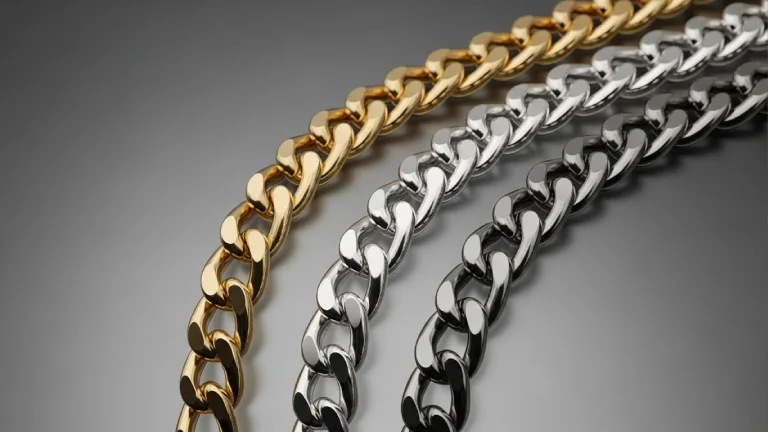
Gold Chain Bracelet: A Timeless Statement of Style, Value, and Confidence
White Gold vs Silver: Core Differences Explained
When comparing white gold vs silver, the real differences emerge beneath the surface. Although both shine brightly, their long-term performance, cost, and upkeep vary significantly.
Appearance
Both metals appear bright and elegant. White gold maintains a consistent shine due to its rhodium coating, while silver develops a darker patina if not cleaned regularly.
Durability
White gold resists scratches and daily wear better than silver. Silver remains softer and may bend or scratch more easily during long-term use.
Value
White gold holds higher intrinsic value because it contains real gold. Silver remains more affordable, making it ideal for budget-conscious buyers.
Comparison Chart: White Gold and Silver Side by Side
| Feature | White Gold | Silver |
|---|---|---|
| Metal Type | Gold alloy with rhodium finish | Sterling silver |
| Durability | High, suitable for daily wear | Moderate, softer metal |
| Maintenance | Occasional re-plating | Frequent polishing |
| Tarnish Resistance | Excellent | Low |
| Price Range | Premium | Budget-friendly |
| Long-Term Value | Strong resale value | Limited resale value |
| Ideal For | Engagement & luxury jewelry | Casual & fashion jewelry |
Maintenance and Care
White gold requires minimal maintenance. Over time, the rhodium coating may fade, but re-plating restores its original shine quickly. Silver, on the other hand, demands consistent cleaning to prevent tarnish buildup. Storing silver in dry, airtight containers helps slow oxidation.
Skin Sensitivity Considerations
Some people experience reactions to nickel alloys in white gold, although modern jewelry often uses nickel-free blends. Silver generally suits sensitive skin better, but tarnish residue may cause irritation if left uncleaned.
Investment and Longevity
From a long-term perspective, white gold vs silver presents a clear contrast. White gold retains value and lasts decades when properly maintained. Silver offers beauty and affordability but lacks the investment strength of gold-based metals.
Style and Lifestyle Matching
White gold complements formal wear, bridal jewelry, and luxury designs. Silver works beautifully with casual outfits, artistic designs, and everyday accessories. Choosing the right metal depends on how often you plan to wear it and in what settings.
Who Should Choose Which Metal?
-
Choose white gold if you want durability, prestige, and long-term value.
-
Choose silver if affordability, simplicity, and frequent style changes matter more to you.
Frequently Asked Questions
1. Is white gold vs silver better for daily wear?
White gold performs better for daily wear because it resists scratches and maintains its shine longer.
2. Which metal lasts longer over time?
White gold typically lasts longer due to its stronger alloy structure and protective coating.
3. Does silver lose its shine permanently?
No, silver regains its shine with proper cleaning, though it requires regular care.
4. Is white gold worth the higher price?
Yes, its durability, value retention, and luxury appeal justify the cost for many buyers.
5. Which metal suits gifts better?
White gold suits milestone gifts, while silver works well for casual or trend-based gifting.
Conclusion
The debate around white gold vs silver ultimately comes down to priorities. White gold offers strength, luxury, and lasting value, making it ideal for significant jewelry purchases. Silver delivers affordability and timeless charm, perfect for everyday style. Understanding these differences empowers you to choose the metal that truly fits your needs, lifestyle, and personal taste with confidence.