
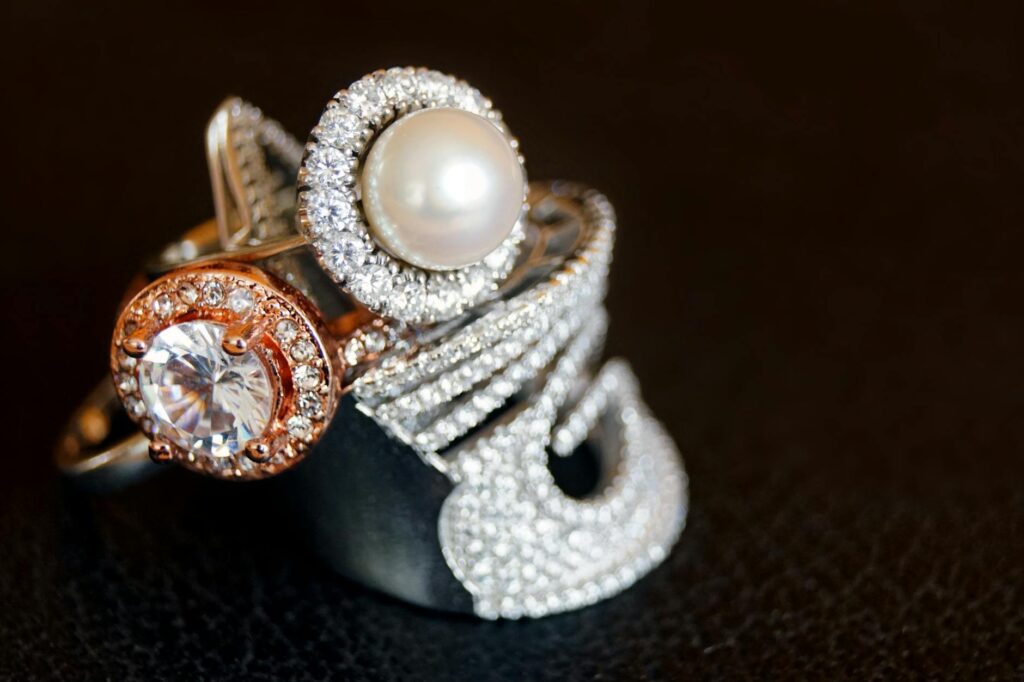
White Gold vs Silver: Discover Your Ideal Metal for Style & Budget
This guide covers everything about White Gold vs Silver: Which Metal Truly Matches Your Style and Budget?. White gold vs silver: Which truly matches your style and budget? Both metals possess unique characteristics that cater to diverse needs, preferences, and occasions. This complete guide aims to answer these questions and provide clarity, ensuring you feel confident in your ultimate choice. As of April 2026, understanding these differences is more important than ever, especially with fluctuating precious metal prices.
Last updated: April 18, 2026
Latest Update (April 2026): Recent market analyses, such as those reported by The New York Times in March 2026, indicate a dynamic period for gold and silver prices, directly impacting the jewelry industry. While both metals have seen price fluctuations, silver, in particular, has demonstrated remarkable performance, with one report from FinancialContent in late 2025 highlighting its significant outperformance against major indices. This makes the choice between white gold and silver not just about aesthetics and durability, but also a consideration of current market value and potential investment. and, the enduring appeal of classic jewelry, like the London Blue Topaz Ring mentioned in a recent A Plus Me listing (April 2026) featuring white gold plated sterling silver, shows the continued demand for both materials in various forms.
Core Differences
what’s White Gold?
White gold isn’t a naturally occurring metal but rather an alloy. it’s created by combining pure gold (which is naturally yellow) with white metals such as palladium, nickel, or manganese. This alloying process gives the gold its distinct white or silvery appearance. To achieve a bright, lustrous finish and add an extra layer of protection, most white gold jewelry is plated with rhodium, a rare and precious metal from the platinum family. This rhodium plating is what gives white gold its characteristic shine and smooth surface.
White gold is typically available in different karats, most commonly 14K (which is 58.5% pure gold) and 18K (which is 75% pure gold). The higher the karat, the more pure gold content it has, though this can slightly affect its color and durability depending on the specific alloy mix.
Why Choose White Gold?
White gold jewelry is often selected for its elegant, modern aesthetic that complements diamonds and other gemstones beautifully. Its durability makes it an excellent choice for engagement rings and other pieces intended for daily wear. The rhodium plating provides a hard, scratch-resistant surface, and its tarnish-resistant nature means it maintains its bright finish with minimal effort. For those seeking a piece that retains significant intrinsic value due to its gold content and is perceived as a more substantial investment, white gold is a compelling option. According to industry experts, white gold jewelry is favored for its longevity and resistance to the rigors of everyday life.
what’s Silver?
When referring to silver jewelry, the most common type is sterling silver. Sterling silver is an alloy consisting of 92.5% pure silver and 7.5% other metals, typically copper. This composition is used because pure silver is too soft to be fashioned into durable jewelry. The 925 hallmark, often stamped on sterling silver pieces, signifies this 92.5% silver content.
Silver is renowned for its brilliant, cool-toned shine and its versatility. It offers a classic yet adaptable look that can range from understated elegance to bold statement pieces. Its affordability compared to white gold makes it an accessible choice for a lots of consumers and for those who enjoy updating their jewelry collection frequently.
Challenges with Silver
The primary challenge associated with silver jewelry is its tendency to tarnish. Over time, exposure to air, moisture, and certain chemicals can cause the silver’s surface to develop a dull, dark layer. While this is a natural process, it means that silver jewelry requires regular maintenance, including polishing, to keep it looking its best. Unlike white gold — which benefits from its rhodium plating’s tarnish resistance, silver’s natural composition makes it more susceptible to this discoloration.
White Gold vs. Silver: A Detailed Comparison
While they may appear similar at first glance, white gold and silver have distinct differences in terms of their composition, durability, maintenance, cost, and overall perceived value. Understanding these nuances is key to making an informed decision.
| Feature | White Gold | Sterling Silver |
|---|---|---|
| Metal Type | Gold alloy (e.g., 14K, 18K) mixed with white metals (palladium, nickel), typically rhodium-plated. | Sterling Silver (92.5% silver, 7.5% other metals like copper), often stamped 925. |
| Durability | High; resistant to scratching and bending due to gold alloy and rhodium plating. | Moderate; can be prone to scratching and denting compared to white gold. |
| Maintenance | Occasional polishing; may require re-plating of rhodium every few years to restore shine. | Frequent polishing needed to combat tarnish; requires specialized silver cleaning solutions. |
| Tarnish Resistance | Excellent, primarily due to rhodium plating. | Low; prone to tarnishing when exposed to air and moisture. |
| Price Range | Premium; higher due to gold content and rhodium plating. | Budget-friendly; much more affordable than white gold. |
| Hypoallergenic Potential | Can be an issue for some if nickel is used in the alloy; nickel-free options are available. | Generally well-tolerated, but some individuals may react to copper or trace metals. |
| Investment Value | Higher; retains intrinsic value due to gold content, considered a better store of value. | Lower; value is primarily aesthetic rather than intrinsic, though silver prices do fluctuate. |
Is White Gold More Durable?
Yes, based on industry standards and user reports, white gold generally surpasses sterling silver in terms of durability. The inherent hardness of the gold alloy combined with the protective rhodium plating makes white gold more resistant to scratches, dents, and everyday wear. This makes it a preferred choice for active individuals or for pieces like engagement rings that are worn constantly.
What About Skin Sensitivity?
Historically, silver has often been considered better for sensitive skin due to its simpler composition. However, the situation with white gold is nuanced. Traditional white gold alloys often contain nickel — which is a common allergen for many people. Fortunately, advancements in jewelry making have led to the widespread availability of nickel-free white gold alloys — which typically use palladium or other hypoallergenic metals instead. For individuals with known metal sensitivities, it’s advisable to seek out nickel-free white gold or opt for sterling silver, though Keep in mind that some people can react to the copper in sterling silver as well. Platinum is often the most hypoallergenic choice, though it falls into a different price category entirely.
Investment Value: White Gold or Silver?
When considering jewelry as an investment, white gold typically holds a stronger position. Its value is directly tied to the price of gold, a globally recognized precious metal with a long history as a store of value. White gold jewelry, especially pieces with higher karat content (like 18K), retains a significant portion of its intrinsic worth, making it more liquid in terms of resale potential. As reported by The New York Times in March 2026, gold prices have been a significant factor in the jewelry market. Silver, while also a precious metal with fluctuating market prices, generally has a lower intrinsic value per ounce compared to gold. While silver’s price can see substantial gains, as evidenced by its impressive performance in 2025 according to FinancialContent, its overall resale value as jewelry is often less predictable and generally lower than that of white gold.
Matching Metal to Style
The choice between white gold and silver can also be dictated by personal style and the intended occasion. White gold, with its bright, luxurious sheen, often complements formal wear, evening attire, and high-value gemstones like diamonds. It exudes an air of sophistication and classic elegance. Silver, But — is incredibly versatile. Its cooler tone can be styled in tons of ways, fitting smoothly with casual outfits, bohemian looks, or contemporary fashion. It’s also a popular choice for statement pieces and fashion jewelry that allows for frequent style updates. The accessibility of silver means it can be incorporated into various trends without a significant financial commitment.
Market Dynamics and Consumer Trends in 2026
The precious metals market in early 2026 continues to be a significant influence on jewelry purchasing decisions. As highlighted by The New York Times, rising gold and silver prices have presented both challenges and opportunities for the jewelry industry. Jewelers and consumers alike must Deal with these price fluctuations. For instance, the ability to find high-quality pieces like a white gold plated sterling silver ring, as seen in recent product listings, demonstrates how manufacturers are adapting to market conditions by offering attractive finishes on more affordable bases. and, reports like the one from FinancialContent noting silver’s strong performance in 2025 suggest that silver isn’t just a budget option but can also be a metal with significant appreciation potential, appealing to both style-conscious buyers and those with an eye for market trends.
The gifting market also reflects these trends. While high prices can make gifting precious metals a significant expense, as noted by WCPO 9 Cincinnati in the context of Valentine’s Day 2026, there remains a strong desire to give meaningful and beautiful jewelry. This often leads consumers to explore options like white gold plated sterling silver — which offers the visual appeal of white gold at a more accessible price point, or to focus on smaller, carefully chosen pieces in either metal. The exploration of mining assets, such as the Yukon gold explorer with significant ounces mentioned by BNN Bloomberg (April 2026), indirectly influences consumer perception of gold’s value and scarcity.
Frequently Asked Questions
Is white gold better for daily wear?
Yes, white gold is generally considered superior for daily wear due to its enhanced durability and resistance to scratches and wear, especially when compared to sterling silver. Its rhodium plating adds a protective layer that helps maintain its polished appearance over time.
Does silver require more maintenance?
Indeed, silver jewelry typically requires more diligent maintenance. it’s prone to tarnishing — which necessitates regular cleaning and polishing to restore its shine. White gold, conversely, is more resistant to tarnishing.
Is the cost of white gold justified?
For many, the cost of white gold is justified by its intrinsic value as a gold alloy, its superior durability for everyday wear, and its luxurious aesthetic. it’s often viewed as a long-term investment piece, unlike more trend-driven silver items.
Should I choose silver for gifts?
Silver is an excellent choice for gifts, especially for those who appreciate style but are budget-conscious, or for occasions where frequent style changes are desired. It offers a lots of beautiful designs at an accessible price point, making it perfect for casual gifting, birthdays, or as a way to add variety to one’s jewelry collection.
Can sensitive skin wear white gold?
Most individuals can wear white gold, but those with nickel allergies may experience reactions if the white gold alloy contains nickel. it’s recommended to opt for nickel-free white gold alloys — which are widely available and use alternative metals like palladium, making them more suitable for sensitive skin.
Conclusion
In the end, the decision between white gold and silver hinges on a balance of personal priorities: style, budget, lifestyle, and longevity. White gold offers a premium, durable, and valuable option suited for significant pieces and daily wear, retaining its luster and investment potential. Silver provides an accessible, versatile, and stylish choice for those who enjoy variety and affordability, though it demands more attention to maintenance due to its susceptibility to tarnish. By distinct properties and market considerations of each metal, as of April 2026, you can confidently select the jewelry that best complements your individual needs and aesthetic preferences.
Source: Britannica
Related Articles
- Personalized Jewelry Gifts: Avoid These Common Blunders
- December's Birthstone: Secrets of Turquoise
- 22k vs 24k Gold: 2026 Investment &. Purity Guide
Editorial Note: This article was researched and written by the Wilton Jewelers editorial team. We fact-check our content and update it regularly. For questions or corrections, contact us.