Vintage Jewelry Near Me: A Brit’s Guide
Right then, you’re on the hunt for ‘vintage jewelry near me’. Good on you. In a world awash with mass-produced sparkle, there’s something utterly magical about unearthing a piece that’s lived a whole life before finding its way to you. It’s not just about adornment. it’s about history, craftsmanship, and a story waiting to be continued. As someone who’s spent more years than I’d care to admit rummaging through dusty antique shops and auction houses across the UK and Europe, I’ve learned a thing or two. And honestly? Most of the advice out there’s drier than a forgotten scone. So, let’s have a proper chinwag about how to find those genuine treasures, understand what you’re looking at, and avoid getting fleeced. Consider this your friendly, no-nonsense guide from across the pond.
Last updated: April 18, 2026
The thrill of finding that perfect vintage brooch or a delicate Art Nouveau pendant isn’t just about the aesthetic – it’s the detective work involved. It’s about connecting with eras gone by, appreciating skills that are rarely replicated today, and owning something truly unique. But let’s be clear: ‘vintage’ and ‘antique’ aren’t just fancy words for ‘old’. You’ll find distinctions, and knowing them helps you find exactly what you’re after. Plus, understanding these nuances is key when you’re searching for ‘vintage jewelry near me’ and want to walk away with something truly special, not just something old.
What Exactly Counts as Vintage Jewellery?
So, what makes a piece ‘vintage’? Generally, anything over 20 years old but less than 100 years old falls into the vintage category. Think the groovy 70s, the punk 80s, or the power-dressing 90s – yes, even those styles are now considered vintage! Anything older than 100 years is typically classified as ‘antique’. This distinction matters. It helps date pieces and understand the design influences and techniques used. For instance, pieces from the Art Deco period (roughly 1920s-1930s) have a distinct geometric style, while Victorian jewellery (1837-1901) is often more ornate and sentimental.
When you’re searching for ‘vintage jewelry near me’, you might encounter sellers using ‘estate jewelry’ as well. This term usually refers to pre-owned jewelry, regardless of its age. An estate piece could be a modern designer ring or a Georgian necklace. It’s a broad term, so always clarify the age and style if that’s important to you. Frankly, I’ve found some of my best pieces under the ‘estate’ umbrella, but you’ve got to do your homework.
Where Should You Be Looking for Vintage Jewellery?
Forget endless scrolling through generic online marketplaces (unless you’re a seasoned pro). The best finds often come from more curated sources. When I’m on the hunt for ‘vintage jewelry near me’, my first ports of call are usually:
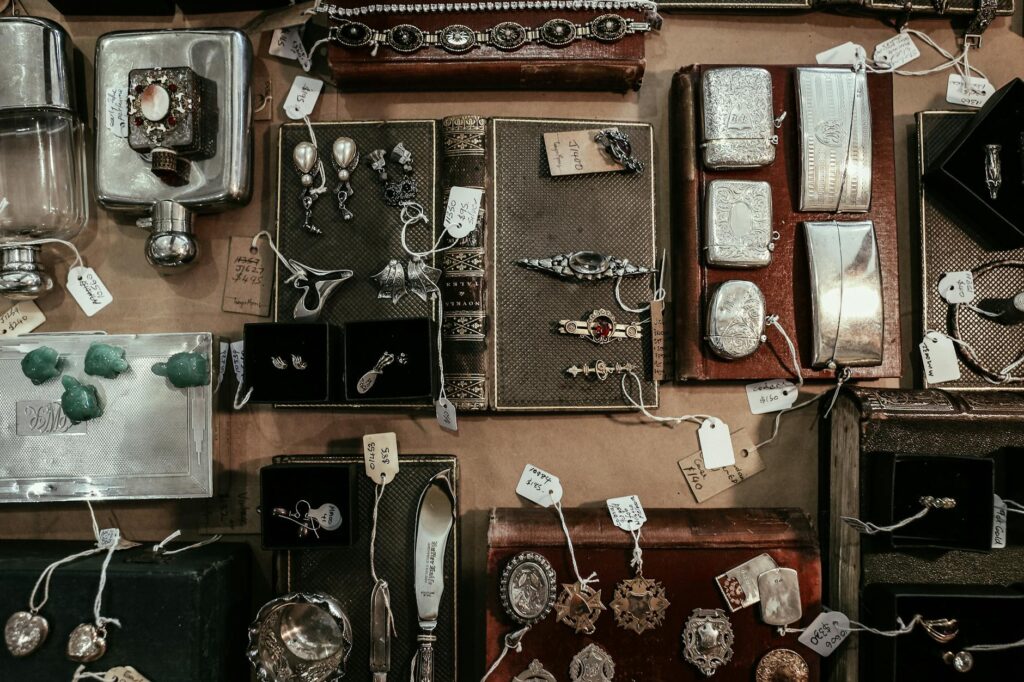
- Independent Antique Shops: These are goldmines. The owners are often passionate collectors themselves and can tell you the story behind a piece. It’s worth building relationships here. they might even ring you when something special comes in.
- Local Jewellers Specialising in Pre-Owned: Many reputable jewellers, like Wilton Jewelers (though they’re in CT, USA – a good example of the type!), have a dedicated section for antique and vintage pieces. They often have them appraised and cleaned, offering a bit more security.
- Flea Markets &. Vintage Fairs: These can be hit-or-miss, but the thrill of discovery is immense. Go early, have cash, and be prepared to haggle a bit. Look for stalls run by serious dealers, not just bric-a-brac sellers.
- Auction Houses: From small local auctions to larger houses like Bonhams or Sotheby’s (for the serious collectors!), auctions are fantastic for variety and often competitive prices. You’ll need to register and understand the buyer’s premium, but the selection is unparalleled. I once snagged a gorgeous Victorian mourning brooch at a small village auction for a song – pure luck, but also persistence!
- Online Specialist Retailers: Many reputable dealers now have excellent online stores. Look for sites with detailed descriptions, high-quality photos, and clear return policies. Sites like 1stDibs or specific dealer websites are great for this.
How to Spot Quality When Hunting for Vintage Jewellery
Here’s where experience really counts. When you’re looking at a piece of ‘vintage jewelry near me’, especially if it’s a bit older, you want to check for a few things. It’s not just about whether it looks pretty. it’s about whether it’s well-made and likely to last.
Hallmarks and Maker’s Marks: These are tiny stamps, usually on the back or inside of a piece — that indicate the metal purity (e.g., ‘925’ for sterling silver, ‘750’ for 18ct gold) and often the maker. In the UK, hallmarks are legally required for precious metals and are incredibly detailed, telling you the assay office, the year of marking, and the metal type. European countries have similar systems. American pieces might have simpler marks or just a maker’s initial. A missing mark doesn’t always mean it’s fake, but it’s something to note. Researching these marks is a huge part of the fun!
Construction and Condition: Hold the piece. Does it feel solid? Are the settings secure? Check for loose stones, worn-down prongs, or significant scratches. For necklaces and bracelets, examine the links and clasps. Are they sturdy? Is the plating worn off, showing base metal underneath? A bit of wear is expected and adds character, but excessive damage can make a piece unwearable or costly to repair.
Gemstones: Look at the stones. Are they well-cut and securely set? Are there any chips or obvious inclusions? While perfect stones are rare in vintage pieces, they should look intentionally set and not just glued in. Be aware that older pieces might feature natural stones with inclusions — which is normal. Glass or paste stones were also common, especially in costume jewellery, and can be beautiful in their own right.
Weight: Often, older pieces, especially those made of solid gold or silver, feel heavier than modern equivalents. Here’s due to higher metal content and more substantial construction. If a piece feels surprisingly light for its size, it might be hollow or made of a less precious metal.
Expert Tip: The ‘Ear Test’ for Metals
This isn’t foolproof, but if you’re unsure about a piece of jewellery’s metal content (especially if it’s unmarked or you suspect it’s gold-plated brass), try the ‘ear test’. Gently rub a small, inconspicuous area against your earlobe. If you experience any tingling or skin discolouration, it’s likely not a precious metal or it’s got a high nickel content — which can cause reactions. Always be cautious if you have sensitive skin!
Understanding Different Eras of Vintage Jewellery
When you’re searching for ‘vintage jewelry near me’, knowing a bit about the different historical periods can help you identify styles and appreciate the craftsmanship. Here’s a quick rundown:
| Era | Approx. Dates | Key Characteristics |
|---|---|---|
| Georgian | 1714-1837 | Ornate, often with floral motifs, gemstones like garnets, pearls. Handcrafted look. |
| Victorian | 1837-1901 | Sentimental themes (mourning jewelry, lockets), detailed filigree, natural motifs, early use of diamonds. |
| Art Nouveau | 1890-1910 | Flowing lines, nature-inspired (insects, flowers), enamel work, opals. Very artistic. |
| Edwardian | 1901-1915 | Lighter, more delicate than Victorian. Platinum settings, diamonds, pearls, lace-like designs. |
| Art Deco | 1920s-1930s | Geometric shapes, bold colours, symmetry, contrasting materials (e.g., platinum with onyx or coral). |
| Mid-Century | 1940s-1960s | Varying styles from patriotic motifs in the 40s to bold, sculptural pieces in the 50s/60s. Often signed by makers like Trifari or Coro. |
Honestly, diving into the history of jewellery design is fascinating. It gives you context and makes you appreciate the changes in technology, fashion, and societal attitudes. For example, the shift from ornate Victorian pieces to the clean lines of Art Deco reflects massive societal changes.
Common Pitfalls When Buying Vintage Jewellery
I’ve made my share of mistakes, so you don’t have to! Here are a few things to watch out for when you’re out hunting for ‘vintage jewelry near me’.
- Unique pieces with history.
- Often better value than new, high-end pieces.
- Supports sustainability – giving items a new life.
- Appreciation for lost craftsmanship.
- Potential for damage or wear.
- Risk of fakes or misrepresented materials.
- Sizing issues (especially rings).
- Lack of modern security features (e.g., on clasps).
Overpaying: Do a quick mental check – does the price seem reasonable for the materials and craftsmanship? If it feels too good to be true, it often is. Conversely, don’t be afraid to walk away if a price is astronomical for something that isn’t exceptional.
Ignoring Repairs: A slight bend in a clasp might be a minor fix. A snapped hinge on an Art Nouveau pendant? That could be a major, expensive repair, potentially devaluing the piece. Always factor repair costs into your purchase price.
Believing Everything You’re Told: While most dealers are honest, some might not know the full history of a piece or, worse, might deliberately mislead you. Always do your own checks. Bring a loupe if you have one, and trust your gut. If something feels off, it probably is.
Important Note: Sentimental Value vs. Market Value
It’s easy to get swept up in the romance of a piece. A locket might remind you of your grandmother, or a ring might look exactly like one you saw in a film. While these emotional connections are wonderful, remember to also assess the piece’s actual market value, especially if you’re buying from a dealer. Is the price reflecting the history, or just your personal feelings?
My Take: Why Vintage Jewellery Still Matters
Look, I’m biased. I adore the character, the stories, and the sheer artistry you find in vintage jewellery. When you search for ‘vintage jewelry near me’, you’re not just looking for an accessory. you’re looking for a connection to the past. These pieces have witnessed history, survived trends, and carry a tangible sense of enduring beauty. They represent a time when jewellery was made to last, often by hand, with an attention to detail that’s increasingly rare. Plus, in an era where sustainability is really important, buying pre-loved is a fantastic way to reduce your environmental footprint. It’s about appreciating quality, history, and unique design over fleeting trends. So, next time you’re out and about, keep your eyes peeled. You never know what incredible piece of history is waiting just around the corner.
Frequently Asked Questions
Where can I find authentic vintage jewellery?
Authentic vintage jewellery can be found at independent antique shops, reputable local jewellers specializing in pre-owned items, antique fairs, and curated online marketplaces. Always look for dealers with good reputations and detailed product descriptions.
How do I know if vintage jewellery is real gold or silver?
Look for hallmarks indicating metal purity (e.g., ‘925’ for sterling silver, ‘750’ for 18ct gold). Reputable sellers should provide this information. If unmarked, a jeweller can test the metal content for you.
what’s the difference between vintage and antique jewellery?
Vintage jewellery is generally considered to be between 20 and 100 years old. Antique jewellery is typically over 100 years old. Both offer unique styles and historical significance.
Is buying vintage engagement rings a good idea?
Yes, buying vintage engagement rings is often a great idea. You can find unique, high-quality pieces with character at competitive prices compared to new rings. Ensure the ring is inspected for structural integrity.
How can I clean my vintage jewellery safely?
For most vintage jewellery, a gentle cleaning with mild soap and water, followed by careful drying with a soft cloth, is safest. Avoid harsh chemicals or abrasive cleaners, especially on delicate stones or enamel.
Bottom line, hunting for ‘vintage jewelry near me’ is an adventure. Arm yourself with a little knowledge, trust your instincts, and enjoy the process of unearthing these beautiful remnants of history. Happy hunting!
Source: GIA (Gemological Institute)
Editorial Note: This article was researched and written by the Wilton Jewelers editorial team. We fact-check our content and update it regularly. For questions or corrections, contact us.