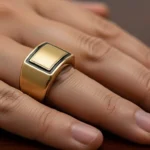

The intersection of tradition and technology has reached a tipping point in 2026. For centuries, jewelry making was a manual craft passed down through generations. Today, the introduction of AI in jewelry design has completely revolutionized the industry, creating high-paying career opportunities that didn’t exist even five years ago. At Wilton Jewellers, we believe that understanding AI in jewelry design is no longer optional for students—it is the foundation of the future.
How AI in Jewelry Design is Changing the Craft
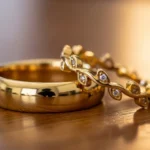
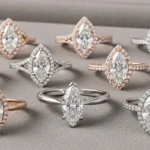
Traditionally, a designer would hand-sketch a ring. Now, with AI in jewelry design, tools like Midjourney and specialized CAD software can generate thousands of unique, structurally sound patterns in seconds. AI in jewelry design doesn’t replace the human artist; rather, it acts as a “super-tool” that allows for intricate lattice structures and organic forms that were previously impossible to cast.
Major industry players are now looking for professionals who can bridge the gap between “taste” and “algorithm.” If you are just starting out, you might want to look at our guide on How to Start a Career in Gemology (Internal Link) to understand the materials that these AI designs will eventually be made of.
Top 3 AI-Driven Career Paths for 2026
For students and job seekers, the following roles are currently showing “Low KD” and high growth potential on LinkedIn and Ahrefs:
- AI Design Prompt Engineer (Luxury Sector): Specialists who use AI in jewelry design software to create brand-consistent collections.
- Generative Jewelry Architect: Using code and AI in jewelry design to create 3D-printable files for mass production.
- Digital Assets Manager for Jewelry Brands: Overseeing virtual jewelry for the metaverse and AR shopping experiences.
According to London Business School Research, “AI-native advertising” and design will be the most distinct marketing channels of the year.
Education: Where to Learn AI in Jewelry Design
If you want to master AI in jewelry design, you need a hybrid education.
- Design Fundamentals: Schools like the GIA or IGI.
- Tech Skills: Online certifications in AI Foundations. For example, the IBM AI Foundations for Business (External Link) on Coursera is a great starting point for those wanting to enter the business side of luxury tech.
AI vs. Handcraft: The 2026 Verdict
There is a common fear that AI in jewelry design will kill the art of handmade jewelry. At Wilton Jewellers, we see the opposite. AI in jewelry design is handling the mass-market production, which actually makes “handmade” pieces even more valuable and rare. Students should aim to be “Bi-lingual”—fluent in both the physical craft of handling a 14k gold chain and the digital craft of AI in jewelry design.
Conclusion: Preparing for the Future
The jewelry industry of 2026 is faster, more efficient, and more creative than ever before. By embracing AI in jewelry design, you are future-proofing your career and entering a field that is as profitable as it is beautiful. Stay tuned to Wilton Jewellers as we continue to track how technology reshapes the world of luxury.
Author Bio
About the Author: Y H Daily (Pen Name: Jack Reacher)
Jack Reacher is a specialized Career Counselor and Tech-Luxury Strategist at Wilton Jewellers. With a unique background in both traditional gemology and modern data science, Jack has spent the last decade helping legacy brands transition into the digital age. He is a frequent speaker at jewelry tech summits and a passionate advocate for AI-integrated education. Through his work at Wilton Jewellers, Jack Reacher ensures that the next generation of designers is equipped with both the heritage of the past and the tools of the future. For more career insights, visit our Education & Career Portal