Introduction
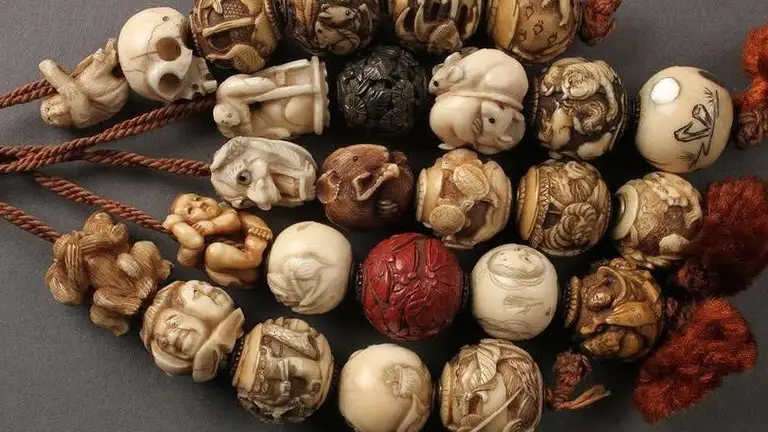
Ojime beads are small, intricately crafted Japanese beads that hold a unique place in the world of art, jewelry, and collectibles. Though often overlooked, these miniature masterpieces reveal centuries of Japanese craftsmanship, culture, and meticulous attention to detail. Traditionally used as sliding closures on inro cases, ojime beads are celebrated for their artistic designs and symbolic meanings.
Today, they have transcended their original purpose and are cherished by collectors, artisans, and jewelry enthusiasts worldwide. In this article, we explore the history, types, crafting techniques, collectible value, and modern uses of ojime beads, offering a complete guide for beginners and aficionados alike.
What Are Ojime Beads?
Ojime beads are tiny, decorative beads typically made from materials like ivory, wood, metal, or semi-precious stones. They were originally used in Edo-period Japan as functional elements of inro cases, which were small containers worn on the waist to carry personal items.
Unlike regular beads, ojime beads are highly detailed, often featuring engraved or carved motifs, including animals, mythical creatures, and natural landscapes. Their small size—usually between 1 to 2 centimeters—demands exceptional precision and craftsmanship.
History of Ojime Beads
The origin of ojime beads dates back to the Edo period (1603–1868). During this time, inro cases became an essential accessory for men and women. Since inro cases were suspended by cords from the obi (traditional belt), ojime beads were used as sliding closures to secure the compartments.
Over time, these beads evolved beyond functional objects into miniature works of art. Artists began carving intricate scenes, from everyday life to mythical tales, on these small surfaces. Their exquisite artistry eventually made them collectibles and symbols of status among the Japanese elite.
Materials Used in Ojime Beads
Ojime beads are crafted from a wide variety of materials, each lending unique aesthetic qualities. Here’s a breakdown of common materials:
| Material | Description | Value & Appeal |
|---|---|---|
| Ivory | Smooth, creamy texture ideal for detailed carving. Rare and highly valued. | High collectible value due to rarity. |
| Wood | Lightweight and easy to carve; often stained or lacquered. | Affordable yet artistic, popular for beginners. |
| Metal (Bronze/Silver) | Durable and allows fine engraving. | Offers a shiny, antique appearance. |
| Semi-Precious Stones | Jade, agate, and coral are common. | Adds color and natural beauty, highly collectible. |
| Bone & Antler | Traditional materials for rustic, earthy designs. | Unique textures; often used in folk art styles. |
Types of Ojime Beads
Ojime beads can be categorized by design style, material, and purpose:
-
Carved Beads – Features detailed engravings of animals, flowers, or mythological scenes.
-
Lacquered Beads – Coated with colorful lacquer, sometimes with gold inlay.
-
Metal Beads – Made of bronze, silver, or gold, often engraved or embossed.
-
Stone Beads – Natural or polished stones, sometimes with simple carvings.
-
Modern Artistic Beads – Contemporary designs blending traditional techniques with modern aesthetics.
Crafting Process of Ojime Beads
Creating an ojime bead is a meticulous process that requires patience and skill. Here’s a step-by-step overview:
-
Material Selection: Choosing the perfect material based on size, color, and durability.
-
Shaping: Carving the bead into a smooth, rounded shape.
-
Designing: Drawing the intended motif, either engraved or painted.
-
Carving & Detailing: Using fine tools to etch intricate patterns.
-
Polishing: Smoothing the surface to enhance visual appeal.
-
Finishing: Applying lacquer, gilding, or other coatings if needed.
Each bead may take hours or even days to complete, depending on its size and complexity.
Symbolism and Cultural Significance
Ojime beads are more than decorative items; they carry cultural and symbolic meaning:
-
Animals: Represent virtues like strength, loyalty, or wisdom.
-
Nature: Flowers, waves, and trees often symbolize seasons, growth, or resilience.
-
Mythology: Gods and legendary creatures reflect spiritual beliefs and protection.
-
Personal Identity: Historically, some beads were customized to reflect the owner’s personality, status, or profession.
Collectors value these beads not only for their craftsmanship but also for the stories and symbolism embedded in their designs.
Modern Uses of Ojime Beads
While originally functional, ojime beads today are appreciated for aesthetic and creative purposes:
-
Jewelry Making: Earrings, necklaces, bracelets, and pendants.
-
Collecting: Antique beads are highly sought after by collectors worldwide.
-
Decorative Art: Used in shadow boxes, framed art, or craft displays.
-
Gift Items: Symbolic beads are popular gifts representing luck, prosperity, or protection.
Collecting Ojime Beads: Tips for Beginners
Collecting ojime beads requires awareness of authenticity, quality, and rarity:
-
Check the Material: Ivory, metal, and stone are typically higher in value.
-
Examine Craftsmanship: Intricate, finely detailed carvings indicate expert work.
-
Verify Age: Antique Edo-period beads are rare and valuable.
-
Understand Market Trends: Popular motifs and rare materials drive value.
-
Preserve Properly: Store in a dry, cushioned environment to prevent damage.
Comparison Chart: Antique vs. Modern Ojime Beads
| Feature | Antique Ojime Beads | Modern Ojime Beads |
|---|---|---|
| Craftsmanship | Hand-carved, detailed, historical motifs | Often machine-assisted or contemporary designs |
| Material | Ivory, metal, semi-precious stones | Resin, glass, modern metals |
| Collectibility | High, especially Edo-period pieces | Moderate, mostly for aesthetic purposes |
| Symbolism | Deep cultural and historical meaning | Primarily decorative |
| Price Range | High, varies with rarity and age | Affordable, widely available |
FAQs About Ojime Beads
1. How can I identify a genuine antique ojime bead?
Look for detailed hand-carved designs, aged patina, and authentic materials like ivory or metal. Authenticity can often be verified by a specialist.
2. Are ojime beads valuable as investments?
Yes, antique beads, especially Edo-period pieces, are collectible and can increase in value over time.
3. Can I use ojime beads in jewelry?
Absolutely! They make excellent pendants, earrings, and bracelets while preserving their artistic charm.
4. How should I clean and maintain ojime beads?
Use a soft cloth to gently wipe the bead. Avoid harsh chemicals, as they can damage delicate materials.
5. What makes ojime beads different from other beads?
Their miniature size, intricate craftsmanship, and cultural symbolism make them unique compared to ordinary beads.
Conclusion
Ojime beads are tiny treasures that encapsulate the artistry, culture, and history of Japan. From functional inro closures to collectible masterpieces, they have evolved into symbols of creativity and elegance. Whether you are a collector, artisan, or jewelry enthusiast, understanding the history, materials, and cultural significance of ojime beads adds depth to their appreciation. Their beauty lies not only in craftsmanship but also in the stories each bead tells, making them timeless pieces of miniature art.