
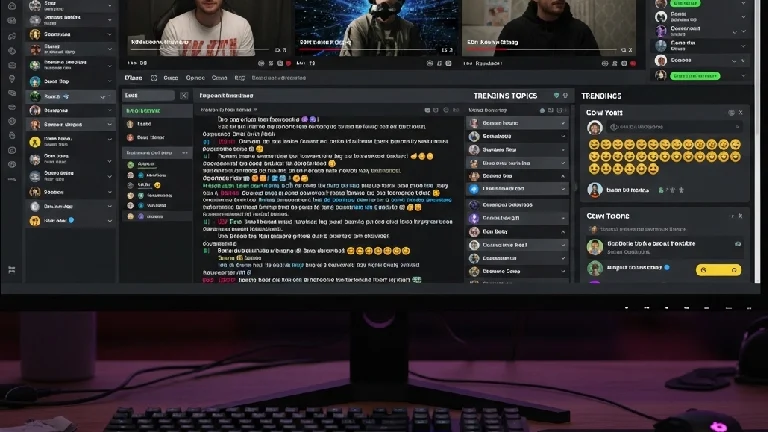
Online communities have changed how people communicate, share ideas, and form digital identities. Among these evolving spaces, ip2 communities stand out as one of the most discussed and controversial types of online groups. These communities are known for their raw, unfiltered discussions, strong personalities, and unique digital culture that doesn’t follow traditional social media rules.
Unlike polished platforms designed for advertisers, ip2 communities thrive on authenticity, real-time interaction, and community-driven engagement. This article explores what ip2 communities are, how they work, why they attract attention, and what makes them different from mainstream online platforms.
What Are ip2 communities?
ip2 communities are online discussion spaces where users gather to talk freely, share live content reactions, and engage in real-time commentary. These communities often grow around live streaming culture, personality-driven content, and unfiltered conversations.
The defining trait of ip2 communities is their community-first structure. Instead of algorithms controlling visibility, participation and influence come directly from user activity. Members shape discussions, create inside jokes, and build a shared culture over time.
These communities are not designed for everyone. They appeal mainly to users who value freedom of expression, fast interaction, and minimal moderation.
The Origin and Evolution of ip2 communities
ip2 communities emerged as a response to increasing restrictions on mainstream platforms. As large social networks introduced tighter rules, stricter moderation, and monetization controls, some users sought alternative spaces where conversations felt more open and less scripted.
Over time, these communities evolved into self-regulated environments. Veteran members guide newcomers, norms develop organically, and reputations matter more than follower counts. This evolution helped ip2 communities maintain loyalty, even as online trends shifted.
Why ip2 communities attract so much attention
Several factors explain the strong pull of ip2 communities:
Unfiltered interaction
Members speak freely without worrying about polished branding or corporate standards. This honesty creates intense engagement.
Real-time culture
Discussions move fast. Reactions happen instantly, which keeps users hooked and involved.
Strong community identity
Shared language, humor, and history make members feel like insiders rather than passive viewers.
Personality-driven content
Individuals matter more than platforms. Popular figures rise because of community support, not algorithms.
VIP Box SE: Stream Live Sports Anytime Without Limits
How ip2 communities function
ip2 communities operate differently from traditional online platforms:
• Discussions are user-led, not algorithm-driven
• Reputation builds through participation, not follower counts
• Moderation exists but remains minimal and community-focused
• Content evolves based on real-time interaction
Because of this structure, users often feel more control and ownership over the space.
Cultural characteristics of ip2 communities
Understanding ip2 communities requires understanding their culture.
Direct communication
Messages are often blunt and straightforward. Members value honesty over politeness.
Inside humor
Jokes, phrases, and references develop over time, creating a shared identity.
Community memory
Long-time members remember events, debates, and personalities, which strengthens loyalty.
Resistance to commercialization
Many members dislike excessive advertising or corporate influence.
Benefits of participating in ip2 communities
Despite criticism, ip2 communities offer several advantages.
Authentic engagement
Conversations feel real and unscripted.
Strong sense of belonging
Active users often feel deeply connected to the community.
Creative freedom
Members can express ideas without heavy restrictions.
Rapid feedback
Opinions and reactions arrive instantly, which helps creators improve quickly.
Challenges and risks within ip2 communities
While engaging, ip2 communities also come with challenges.
Lack of strict moderation
This can lead to heated discussions or offensive content.
Steep learning curve
New users may struggle to understand community norms.
Reputation sensitivity
Once labeled negatively, it can be difficult to recover standing.
Emotional intensity
Fast-paced discussions can sometimes escalate quickly.
Understanding these risks helps users participate responsibly.
Comparison Chart: ip2 communities vs traditional online communities
| Feature | ip2 Communities | Traditional Online Communities |
|---|---|---|
| Moderation Style | Minimal, community-driven | Strict, platform-controlled |
| Content Flow | Real-time and fast | Algorithm-curated |
| User Influence | Based on participation | Based on followers |
| Community Culture | Raw and unfiltered | Polished and controlled |
| Monetization Focus | Low | High |
| Sense of Belonging | Strong for active users | Moderate |
This comparison highlights why ip2 communities appeal to users seeking authenticity over structure.
The role of trust and reputation
Trust plays a central role in ip2 communities. Since there are fewer formal controls, users rely on reputation to judge credibility. Long-term participation builds trust, while inconsistent behavior damages it.
This reputation-based system encourages accountability within the community, even without heavy moderation.
ip2 communities and digital identity
Participation in ip2 communities often shapes how users see themselves online. Instead of curated profiles, identity forms through consistent interaction, opinions, and contributions.
This organic identity building aligns with modern digital culture, where authenticity matters more than appearance.
The future of ip2 communities
As online platforms continue evolving, ip2 communities are likely to remain relevant. Their adaptability, loyal user base, and resistance to over-commercialization give them long-term potential.
However, sustainability depends on balancing freedom with responsibility. Communities that manage this balance will continue to thrive.
Who should explore ip2 communities?
ip2 communities suit users who:
• Value open discussion
• Prefer community influence over algorithms
• Enjoy real-time interaction
• Accept responsibility for their online behavior
They may not suit users seeking heavily moderated or brand-safe environments.
Common misconceptions about ip2 communities
Many people misunderstand ip2 communities due to surface-level impressions.
• They are not entirely chaotic
• They do have internal norms
• They value contribution, not noise
• They evolve with their members
Understanding these realities helps separate myth from fact.
FAQs
1. What makes ip2 communities different from social media platforms?
ip2 communities focus on user-driven interaction rather than algorithm-controlled visibility, creating a more organic experience.
2. Are ip2 communities safe to join?
Safety depends on user awareness. Understanding community norms and engaging responsibly reduces risks.
3. Do ip2 communities allow free speech?
They encourage open expression, but most communities still maintain basic rules set by members.
4. Can beginners join ip2 communities easily?
Yes, but observing first helps new users understand culture and expectations.
5. Are ip2 communities growing in popularity?
Interest continues to grow as users look for alternatives to traditional online platforms.
Conclusion
ip2 communities represent a powerful shift in online interaction. They prioritize authenticity, community influence, and real-time engagement over polished presentation and algorithmic control. While they come with challenges, their unique culture and strong sense of belonging continue to attract users worldwide.
For those seeking genuine digital connection and unfiltered conversation, ip2 communities offer an experience that stands apart in today’s crowded online world.