History of Engagement Rings Tradition: A Love Story
Imagine your grandparents, their grandparents, and even generations before them, all marking a profound commitment with a simple, yet powerful, symbol: a ring. The history of engagement rings tradition isn’t just about precious metals and gemstones. it’s a narrative woven through time, reflecting changing societal values, evolving romantic ideals, and the enduring human desire to pledge forever.
Last updated: April 18, 2026
The history of engagement rings tradition spans millennia, originating with ancient customs symbolizing ownership and evolving into a modern emblem of love and commitment. Early forms involved simple bands, progressing through Roman betrothal rings, medieval tokens, Victorian sentimentality, and the 20th century’s diamond revolution, each era adding layers to its rich symbolism.
- Ancient Origins: More Than Just Pretty Metal
- Roman Roots: Promise and Possession
- Medieval and Renaissance: Love Tokens and Dowries
- Victorian Sentiment: Romanticism Takes Hold
- The 20th Century Revolution: Diamonds and De Beers
- Modern Traditions: Personalization and Purpose
- Choosing Your Own Legacy: Practical Tips
-
Frequently Asked Questions
Ancient Origins: More Than Just Pretty Metal
The earliest whispers of engagement rings can be traced back to ancient Egypt — where simple braided reeds or hemp rings were exchanged as a symbol of eternal love. These rings, worn on the fourth finger of the left hand, were believed to contain a vein, the ‘vena amoris’ or ‘vein of love,’ that led directly to the heart. While this anatomical belief is now understood to be a myth, the romantic notion persists. These early rings weren’t about monetary value but about the symbolic gesture of binding two lives together.
Roman Roots: Promise and Possession
The ancient Romans further developed the concept of betrothal rings. Initially, these rings were often made of iron, signifying strength and permanence. They served a dual purpose: as a symbol of the betrothal contract and, in some cases, as a sign of ownership of the woman by the man. Roman betrothal rings could be quite elaborate, sometimes featuring two hands clasped or even keys, symbolizing the woman’s access to her husband’s household. This era marks a significant step in the history of engagement rings tradition, formalizing the ring as part of the marriage agreement.
The earliest documented use of a diamond engagement ring dates back to 1477 when Archduke Maximilian of Austria presented Mary of Burgundy with a diamond ring. This event is often cited as the beginning of diamond engagement rings. Source: Gemological Institute of America (GIA)
Medieval and Renaissance: Love Tokens and Dowries
During the Middle Ages, engagement rings continued to evolve. The betrothal ring was often a simple gold band, but the emphasis shifted slightly towards a token of love and affection. In some cases, the ring might have featured a gemstone, but diamonds were still exceptionally rare and reserved for royalty. The Renaissance period saw a renewed interest in romantic symbolism. Rings became more ornate, often featuring intricate designs and precious stones, reflecting the artistic and cultural flourishing of the era. The exchange of rings was closely tied to dowry negotiations, solidifying the legal and financial aspects of marriage.
It’s fascinating to see how the symbolism shifted from mere possession to a deeper emotional connection. The practice of giving a ring became more widespread, even among non-royalty, as wealth increased and the concept of romantic love gained more prominence in society.
Victorian Sentiment: Romanticism Takes Hold
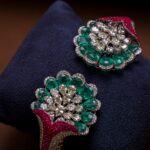
The Victorian era (1837-1901) ushered in a period of intense romanticism, and engagement rings became a significant expression of this sentiment. Queen Victoria herself set trends, notably with her own sapphire and diamond engagement ring. Popular motifs included hearts, true lovers’ knots, and intricate floral designs, often incorporating gemstones like rubies, emeralds, and sapphires alongside diamonds. Engraving sentimental messages inside the band also became popular. This period truly cemented the engagement ring as a symbol of deep affection and enduring love within the history of engagement rings tradition.
The Victorian era’s emphasis on emotion and personal expression meant that engagement rings began to reflect individual personalities and romantic ideals more closely. This laid the groundwork for the more personalized choices we see today.
The 20th Century Revolution: Diamonds and De Beers
The 20th century brought about perhaps the most significant shift in the history of engagement rings tradition, largely thanks to a brilliant marketing campaign. In the 1930s and 40s, the diamond industry, especially the De Beers company, launched a highly effective campaign to establish the diamond as the ultimate symbol of love and commitment. The slogan ‘A Diamond is Forever’ became iconic, associating diamonds with eternal love and permanence. This campaign dramatically increased the demand for diamond engagement rings and influenced pricing, establishing the ‘three-month salary’ rule as a benchmark for how much to spend.
This era also saw the rise of different ring styles, influenced by Art Deco and later mid-century modern aesthetics. The classic solitaire diamond ring, set in platinum or gold, became the quintessential engagement ring in many Western countries.
Modern Traditions: Personalization and Purpose
Today, the history of engagement rings tradition continues to be written by modern couples. While diamonds remain popular, there’s a growing appreciation for a wider range of gemstones, ethically sourced diamonds, lab-grown diamonds, and unique, personalized designs. Couples are increasingly looking for rings that reflect their individual style, values, and love story. The focus has shifted from adhering to strict rules to creating a meaningful symbol that’s authentic to the couple. Vintage rings, custom designs, and alternative stones like moissanite or sapphires are all finding their place. The concept of a promise ring — which predates the engagement ring in some forms, also continues to be a popular way to signify commitment.
The rise of online jewelers like Blue Nile and James Allen, alongside traditional brick-and-mortar stores such as Tiffany &. Co. and local artisans, provides consumers with more choices than ever before. This democratization of choice means that the ‘perfect’ engagement ring is now defined by the wearer, not by convention alone.
Here’s a look at how different eras approached engagement ring symbolism:
| Era | Primary Symbolism | Common Materials/Gems |
|---|---|---|
| Ancient Egypt | Eternal love, binding | Reeds, hemp |
| Ancient Rome | Promise, ownership, contract | Iron, gold |
| Medieval/Renaissance | Love token, dowry agreement | Gold, precious stones (rare) |
| Victorian | Deep affection, romanticism | Gold, diamonds, rubies, sapphires |
| 20th Century | Eternal love, permanence, status | Diamonds (prominent), platinum |
| Modern | Personal expression, commitment, values | All gemstones, diamonds (natural/lab), various metals |
Choosing Your Own Legacy: Practical Tips
rich history of engagement rings tradition can empower you when choosing your own symbol of commitment. Here are some practical tips to help you Handle the process:
- Reflect Your Story: Choose a ring that genuinely represents your relationship and personal style. Whether it’s a classic diamond, a vibrant sapphire, or a unique custom design, let it tell your story.
- Consider Ethical Sourcing: Many couples today prioritize ethically sourced diamonds or opt for lab-grown alternatives, aligning their purchase with their values.
- Budget Wisely: While marketing once dictated spending, prioritize what feels right for your financial situation. A meaningful ring doesn’t have to break the bank.
- Understand Durability: If you plan to wear the ring daily, consider the hardness and durability of the chosen gemstone and metal. Diamonds and sapphires are excellent choices for everyday wear.
- Overwhelm of Choice: The sheer variety of options can sometimes be daunting. Narrowing down choices based on style and material can help.
- Keeping Up with Trends: While personalization is key, be mindful of fleeting trends that might not stand the test of time for you.
- Potential for Misinformation: Especially with online purchases, ensure you’re buying from reputable sources and understand gemstone grading and certifications.
When I helped a friend choose her engagement ring last year, she was initially overwhelmed by the options. We focused on what she loved most: nature and vintage aesthetics. She ended up choosing a stunning moissanite stone in an antique-inspired setting with delicate filigree. It wasn’t a traditional diamond, but it perfectly captured her essence and their shared love for the outdoors. It’s a testament to how personalization makes the history of engagement rings tradition relevant today.
Frequently Asked Questions
what’s the oldest tradition related to engagement rings?
The oldest known tradition likely originates with the ancient Egyptians — who exchanged rings made of braided reeds or hemp as a symbol of eternal love and commitment, worn on the fourth finger to signify the ‘vena amoris’ leading to the heart.
When did diamonds become popular for engagement rings?
While diamonds were used centuries ago, their popularity surged in the 20th century, boosted by De Beers’ ‘A Diamond is Forever’ marketing campaign starting in the late 1930s and 1940s, establishing them as the ultimate symbol of eternal love.
Why is the engagement ring worn on the left hand?
The tradition of wearing the engagement ring on the left hand stems from the ancient Roman belief in the ‘vena amoris,’ a vein that supposedly ran directly from the fourth finger of the left hand to the heart, symbolizing a direct connection of love.
Did engagement rings always symbolize love?
Not always. Early Roman rings, for instance, could symbolize ownership or a contractual agreement. While love and commitment have always been underlying themes, the specific meaning and emphasis have evolved throughout history.
Are colored gemstones as traditional as diamonds for engagement rings?
Historically, colored gemstones were very common and even preferred in certain eras, like the Victorian period. While diamonds became dominant in the 20th century, colored gemstones are now experiencing a resurgence, continuing a long-standing tradition of diverse engagement ring choices.
Start Your Own Engagement Ring Tradition
The history of engagement rings tradition is a beautiful testament to love’s enduring power and evolution. From ancient symbols of binding to modern declarations of personal commitment, each ring carries a unique story. Whether you’re drawn to the sparkle of a diamond, the depth of a sapphire, or a completely custom design, your engagement ring will be the start of your own chapter in this timeless narrative. Visit Wilton Jewelers to explore our curated collection and find the perfect symbol to begin your forever.
Source: Britannica
Editorial Note: This article was researched and written by the Wilton Jewelers editorial team. We fact-check our content and update it regularly. For questions or corrections, contact us.