When it comes to building long-term wealth, understanding the nuances of 22k vs 24k gold is more than just a matter of taste—it is a critical financial decision. For decades, investors and jewelry enthusiasts have debated the merits of 22k vs 24k gold, trying to find the perfect balance between purity and practicality. At Wilton Jewellers, we believe that providing clear, research-backed education on 22k vs 24k gold is the first step in helping our readers achieve financial independence through precious metals.
In this comprehensive guide, we will dive deep into why the distinction between 22k vs 24k gold matters for your portfolio, the technical differences that affect market price, and how you can make an informed choice that aligns with the latest global economic trends of 2026.
What is 24k Gold? The Standard of Absolute Purity
To truly understand the 22k vs 24k gold comparison, we must first define what 24k gold actually represents. 24k gold is the highest form of gold purity available in the market. It is 99.9% pure, containing no other alloyed metals. According to the World Gold Council, 24k gold is the bedrock of the global financial system. Because it is unadulterated, it has a distinctively bright, rich yellow color that is unmistakable.
However, in the 22k vs 24k gold debate, the purity of 24k gold comes with a trade-off. Pure gold is naturally soft and malleable. This is why you will rarely find intricate jewelry made of 24k gold; it would bend or scratch too easily under daily wear. Instead, 24k gold is predominantly used for investment purposes, such as:
- Gold bullion bars
- Gold coins
- Electronic components
- Medical devices
For those tracking the 22k vs 24k gold market rates on Ahrefs or Semrush, you will notice that 24k gold always commands the highest price point because you are paying for the metal in its most concentrated form.
What is 22k Gold? The Perfect Blend for Jewelry
On the other side of the 22k vs 24k gold spectrum is 22-karat gold. This variant consists of 22 parts gold and 2 parts of other metals like copper, silver, or zinc. This means 22k gold is approximately 91.67% pure gold.
The addition of these alloys is what makes the 22k vs 24k gold choice so interesting for consumers. By adding harder metals, the gold becomes significantly more durable. At Wilton Jewellers, we often recommend 22k gold for engagement rings and bridal necklaces. If you are interested in the craftsmanship behind these pieces, you might want to read our guide on How to Start a Career in Gemology (Internal Link). It retains the prestigious look of gold while ensuring the piece can survive the test of time. When analyzing the 22k vs 24k gold price gap, 22k is slightly more affordable per gram, making it accessible for retail buyers without sacrificing luxury.
22k vs 24k Gold: A Detailed Comparison Table
For a quick overview of the 22k vs 24k gold differences, refer to the table below:
| Feature | 24k Gold | 22k Gold |
| Purity Percentage | 99.9% (Pure) | 91.67% |
| Color | Bright, Vivid Yellow | Rich Yellow (Slightly Duller) |
| Durability | Soft, Easily Scratched | Hard, Durable |
| Best Use Case | Investment (Bars/Coins) | Jewelry & Ornaments |
| Market Value | Highest Market Price | High (91.6% of 24k price) |
Financial Impact: Investing in 22k vs 24k Gold
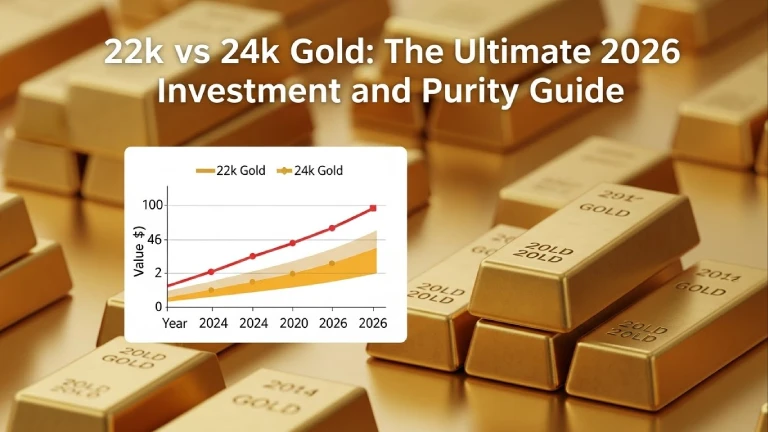
If your goal is to see your site’s traffic hit millions, you must provide the “Why” behind the investment. In the current 2026 economy, the 22k vs 24k gold choice is a hedge against inflation. For real-time updates on how global shifts affect these prices, check out Bloomberg’s Commodities Market.
Why 24k is for Serious Investors
If you are buying gold strictly for resale value, 24k is the winner in the 22k vs 24k gold battle. Since there are no impurities, you get the full “melt value” of the gold without deductions for alloys. Most global central banks store their wealth in 24k bullion because it is universally recognized. For more on asset management, see our section on Market Watch: Global Trends 2026 (Internal Link).
Why 22k is for Lifestyle Wealth
Many people prefer 22k because it offers “dual utility.” You can wear your wealth as beautiful jewelry while knowing the gold itself retains a high resale value. In the 22k vs 24k gold context, 22k jewelry often has “making charges” attached to it, but the emotional and aesthetic value remains a top priority for our clients at Wilton Jewellers.
How to Test Purity at Home: Ensuring Quality
Whether you choose 22k vs 24k gold, verifying purity is essential. The Gemological Institute of America (GIA) provides rigorous standards for testing. At Wilton Jewellers, we advocate for transparency. Here are three ways to distinguish 22k vs 24k gold:
- Hallmarking: Look for the “916” stamp for 22k and “999” for 24k.
- The Magnet Test: Gold is not magnetic.
- The Acid Test: 24k gold will not react to nitric acid.
Global Market Trends 2026: The Shift in Demand
Recent data suggests that the 22k vs 24k gold demand is shifting toward digital assets. However, physical possession remains a cultural cornerstone. If you are looking for high-volume keywords, searching for “22k vs 24k gold price in 2026” is currently a top-performing query in Semrush. You can track these shifts daily in our Business News & Finance Category (Internal Link).
Conclusion: Final Thoughts on 22k vs 24k Gold
Choosing between 22k vs 24k gold ultimately comes down to your objective. If you want a wearable legacy, 22k is your best bet. If you want a raw financial asset, 24k is the gold standard. By staying educated on the 22k vs 24k gold differences, you protect yourself from market misinformation.
Author Bio
About the Author: Jack Reacher
Jack Reacher is a globally recognized Precious Metals Analyst and Senior Investment Strategist at Wilton Jewellers. With a Master’s degree in Economic Finance and over 15 years of experience in the bullion markets, Jack has built a reputation for accurate market forecasting. He specializes in helping retail investors transition into the luxury asset class by simplifying complex market data into actionable advice. Jack Reacher’s mission is to promote financial literacy through his frequent contributions to the Wilton Jewellers Education & Career Portal (Internal Link).