
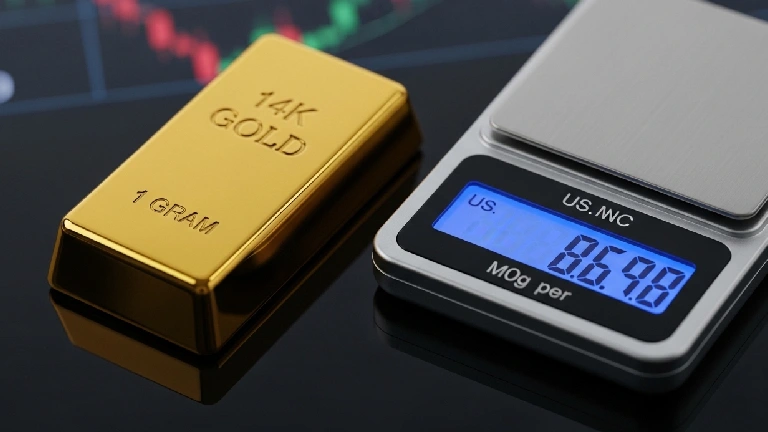
Gold has been a symbol of wealth, luxury, and financial security for centuries. Among various types of gold, 14k gold strikes a balance between durability and affordability. Unlike pure 24k gold, which is soft and prone to scratches, 14k gold contains 58.3% pure gold mixed with other metals like copper, silver, or nickel. This combination enhances its strength, making it ideal for jewelry that lasts.
Knowing the 14k gold price per gram is essential for both buyers and investors. Prices fluctuate daily based on global gold markets, demand, currency strength, and geopolitical factors. Staying informed ensures you get the best value whether purchasing jewelry or investing.
Factors Influencing the 14k Gold Price Per Gram
Understanding why gold prices change can help buyers make smarter financial decisions. Several key factors influence the 14k gold price per gram:
-
Global Gold Market Trends
The international gold market sets the benchmark price of gold. Changes in global supply and demand, economic stability, and investor sentiment can significantly affect rates. -
Currency Fluctuations
Since gold is priced in US dollars internationally, a strong or weak dollar can impact local prices. For instance, a weaker dollar often leads to higher gold prices locally. -
Economic Uncertainty
During periods of inflation or financial instability, gold is seen as a safe-haven investment. Increased demand drives up the 14k gold price per gram. -
Jewelry Demand and Seasonal Trends
Cultural events, festivals, and wedding seasons often increase the demand for gold jewelry, temporarily raising prices. -
Purity and Weight
Even within 14k gold, variations in metal composition can slightly alter pricing. Heavier pieces cost more due to the increased gold content.
Pink Ring Jewelry: Add Elegance and Charm to Your Style
How to Calculate 14k Gold Price Per Gram
Calculating the price of 14k gold is straightforward if you know the current market rate of pure gold:
-
Determine the current 24k gold price per gram.
-
Multiply the 24k price by 0.583 (14k gold contains 58.3% pure gold).
-
Add any making charges if purchasing jewelry.
Example:
-
Current 24k gold price: $60 per gram
-
14k gold price: $60 × 0.583 ≈ $34.98 per gram
This calculation provides an estimated price. Jewelers may add small premiums for craftsmanship, design, or brand value.
Comparison Chart: 14k Gold vs Other Karats
| Gold Karat | Purity (%) | Ideal Use | Price per Gram (Approx.) | Durability |
|---|---|---|---|---|
| 24k | 99.9 | Investment | $60 | Low |
| 22k | 91.6 | Jewelry | $55 | Medium |
| 18k | 75 | Jewelry | $45 | High |
| 14k | 58.3 | Jewelry | $35 | Very High |
| 10k | 41.7 | Everyday | $25 | Extremely High |
This chart highlights why 14k gold is a popular choice: it offers durability while retaining significant gold content, making it ideal for daily wear.
Tips for Buying 14k Gold
-
Check the Current Price
Always confirm the 14k gold price per gram before purchasing. Prices fluctuate daily, so buying on the right day can save money. -
Evaluate Craftsmanship
High-quality designs may cost slightly more but ensure longevity. Pay attention to soldering, clasps, and overall finishing. -
Compare Jewelers
Different jewelers may have slight variations in premiums. Comparing ensures you get the best deal. -
Consider Resale Value
If planning to resell, focus on pieces with standard karat marks and minimal additional charges. -
Stay Updated on Market Trends
Monitoring gold trends helps in making timely purchases or investments.
Investment Potential of 14k Gold
While 24k gold is the standard for investment, 14k gold can also be a viable option for long-term wealth accumulation, particularly for those interested in wearable assets. Benefits include:
-
Affordability: Lower price per gram allows investors to buy more gold for the same budget.
-
Durability: Stronger metals ensure the piece retains value over time.
-
Flexibility: Can be worn as jewelry while appreciating in value.
Investors should balance 14k gold purchases with other forms of gold like coins or bars to optimize their portfolio.
5 Frequently Asked Questions
1. What is the difference between 14k and 24k gold?
14k gold contains 58.3% pure gold, while 24k gold is nearly 100% pure. 14k is more durable and ideal for jewelry.
2. How is 14k gold price per gram calculated?
Multiply the current 24k gold price by 0.583 (percentage of gold in 14k) and add any making charges.
3. Is 14k gold a good investment?
Yes, especially for those seeking a balance of affordability, durability, and wearable gold investment.
4. Why does 14k gold price fluctuate?
Prices change due to global market trends, currency strength, economic uncertainty, and local demand for jewelry.
5. Can I resell 14k gold at a profit?
Yes, but resale prices depend on current market rates and the condition of the jewelry piece.
Conclusion
The 14k gold price per gram is more than just a number; it reflects global trends, market dynamics, and investment opportunities. Whether you are purchasing jewelry for personal use or investing for the future, understanding the factors that influence gold prices ensures you make informed decisions.
With its balance of durability, beauty, and affordability, 14k gold remains a top choice for buyers worldwide. By staying updated on current prices, carefully selecting designs, and considering long-term value, you can maximize your investment while enjoying stunning gold pieces every day.