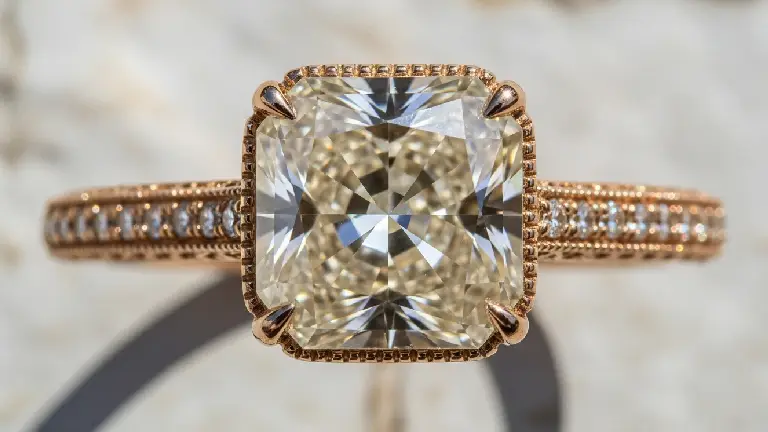
Diamonds come in many shapes and styles, yet some designs stand apart because of their character rather than sparkle alone. The rose cut diamond represents a refined elegance that appeals to those who appreciate subtle brilliance, heritage craftsmanship, and a softer glow. Unlike modern cuts engineered for maximum fire, this style reflects light in a gentle, romantic way that feels deeply personal and timeless.
This guide explores everything you need to know, from history and structure to value, comparisons, and buying insights, helping you make a confident and informed choice.
The Origins and Historical Significance
The rose cut dates back several centuries, first appearing long before advanced cutting technology existed. Early gem cutters shaped stones by hand, working with natural crystal forms rather than forcing symmetry. As a result, these diamonds developed a flat base and a domed crown covered in triangular facets.
Because candlelight was once the primary source of illumination, this cut was designed to glow softly rather than flash intensely. Its appeal quickly spread among royalty and aristocracy, symbolizing refinement, intimacy, and quiet luxury.
Understanding the Structure and Faceting
What makes this diamond instantly recognizable is its flat bottom and gently rising crown. Instead of a pointed pavilion, the stone resembles the unfurling petals of a rose. Facet counts vary, typically ranging from 12 to 24 facets, depending on size and craftsmanship.
This structure allows light to move differently through the stone. Rather than producing sharp flashes, it reflects a warm shimmer that looks especially beautiful in natural light.
Why This Cut Looks Larger Than It Is
One of the most appealing visual traits is its spread. Because there is no deep pavilion, more of the diamond’s weight is distributed across the surface. This makes the stone appear larger than a modern brilliant of the same carat weight.
For buyers who prioritize finger coverage and presence over intense sparkle, the rose cut diamond offers exceptional visual value.
The Ultimate Statement of Love: Why a 6 carat diamond ring Defines True Luxury
Brilliance, Fire, and Light Performance
This cut does not aim to compete with modern brilliance. Instead, it delivers a soft, glowing radiance. The light reflects off the crown facets in a calm, mirror-like way, producing a subtle shine rather than rainbow flashes.
This quality attracts those who prefer understated beauty and vintage aesthetics. It also pairs exceptionally well with antique-style and minimalist jewelry designs.
Clarity and Color Considerations
Because of its open faceting and shallow depth, inclusions and color can be more visible. As a result:
-
Higher clarity grades are often recommended
-
Warmer color tones can enhance the antique feel
-
Slight imperfections may add character rather than detract
Many buyers intentionally choose stones with natural personality, embracing uniqueness over perfection.
Comparison Chart: Rose Cut vs Modern Cuts
| Feature | Rose Cut Style | Brilliant Cut Style |
|---|---|---|
| Bottom Shape | Flat | Pointed |
| Light Reflection | Soft glow | High sparkle |
| Facets | Fewer, larger | Many small |
| Visual Size | Appears larger | True to carat |
| Vintage Appeal | Strong | Minimal |
| Ideal Settings | Bezel, halo, antique | Prong, solitaire |
This comparison highlights why the rose cut diamond appeals to a different kind of buyer—one who values artistry and emotion over pure light performance.
Popular Jewelry Styles and Settings
This cut works beautifully in a variety of designs:
-
Bezel settings for protection and modern elegance
-
Halo designs that enhance presence without overpowering
-
East-west orientations for contemporary flair
-
Antique-inspired rings with milgrain details
Designers often use it as a centerpiece in engagement rings, earrings, and pendants where individuality matters most.
Durability and Everyday Wear
While diamonds remain one of the hardest natural materials, this cut requires thoughtful setting choices. The flatter structure means edges can be more exposed if not properly protected.
Secure settings and mindful wear habits ensure long-lasting beauty. When cared for correctly, these diamonds age gracefully and retain their charm for generations.
How Value Is Determined
Pricing depends on several factors:
-
Craftsmanship and symmetry
-
Clarity visibility
-
Overall spread and proportions
-
Rarity of well-cut stones
Because this style is less common, well-executed examples can hold strong value, especially when demand for vintage aesthetics continues to rise.
Buying Tips for Confident Decisions
When choosing this cut, focus on:
-
Even facet alignment
-
Balanced dome height
-
Minimal visible inclusions
-
Reputable craftsmanship
Trust your eyes as much as technical details. The emotional response matters just as much as specifications.
Frequently Asked Questions
1. Is a rose cut diamond suitable for engagement rings?
Yes, it is ideal for those who value uniqueness, romance, and a softer glow over intense sparkle.
2. Does this cut sparkle less than modern styles?
It reflects light differently, offering a gentle shimmer instead of sharp flashes.
3. Are these diamonds more affordable?
They can be, depending on quality and size, but rare, well-cut stones may command premium prices.
4. What settings protect this cut best?
Bezel and halo settings provide excellent protection and enhance visual appeal.
5. Does this cut work with modern designs?
Absolutely. It blends beautifully with both vintage and contemporary jewelry styles.
Conclusion
For those drawn to elegance with character, the rose cut diamond offers a distinctive alternative to conventional styles. Its historical roots, graceful light reflection, and larger visual presence create a piece that feels personal and meaningful. Whether chosen for an engagement ring or a signature accessory, it stands as a celebration of timeless beauty and refined taste.