
Introduction
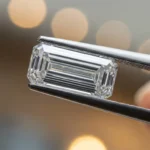
Diamonds have always symbolized luxury, elegance, and prestige. But in recent years, a revolutionary shift has taken place in the jewelry world: lab-grown diamonds. Among these, the largest lab diamond stands as a marvel of technology and craftsmanship. Unlike natural diamonds, which can take billions of years to form, lab diamonds are created with precision in a controlled environment. This not only allows for ethical sourcing but also makes producing large, flawless stones more feasible.
In this article, we explore everything about the largest lab diamond—its creation process, characteristics, advantages, and why it is reshaping the luxury market.
What Makes the Largest Lab Diamond Unique?
Lab-grown diamonds replicate the physical, chemical, and optical properties of natural diamonds. However, when it comes to size, lab diamonds can be engineered with incredible precision. The largest lab diamond is remarkable because:
-
Exceptional Size: Achieving a carat size comparable to the largest mined diamonds.
-
Flawless Appearance: Reduced inclusions due to controlled growth conditions.
-
Sustainability: Created without environmental degradation associated with mining.
-
Affordability: Large diamonds are usually far less expensive than natural counterparts.
How Lab Diamonds Are Made
Understanding the creation of the largest lab diamond requires a look into two main technologies:
1. High Pressure High Temperature (HPHT) Method
This method simulates the natural conditions under which diamonds form in the earth. Carbon is subjected to extreme pressure and temperature to crystallize into a diamond. HPHT is often used to create larger diamonds due to its scalability.
2. Chemical Vapor Deposition (CVD) Method
CVD involves using a gas mixture in a vacuum chamber to deposit carbon atoms onto a substrate, slowly forming a diamond. This method allows for precise control over the growth process, enabling flawless stones of significant size.
Both methods have advanced significantly, allowing the creation of diamonds exceeding 10 carats without compromising clarity or brilliance.
Comparison Chart: Largest Lab Diamond vs Natural Diamond
| Feature | Largest Lab Diamond | Natural Diamond |
|---|---|---|
| Formation Time | Weeks to months | Millions to billions of years |
| Environmental Impact | Minimal | High due to mining practices |
| Cost | Lower | Significantly higher |
| Size Limit | Highly scalable | Rare and limited |
| Purity & Clarity | Often flawless | Inclusions common |
| Ethical Concerns | Conflict-free | Potential ethical issues |
This chart highlights why the largest lab diamond is gaining popularity among jewelry collectors, luxury brands, and investors alike.
The Rising Popularity of Large Lab Diamonds
Consumers today are increasingly conscious of sustainability and ethics. Lab diamonds offer a conflict-free alternative to mined diamonds while maintaining the allure of natural stones. Some reasons for their growing demand include:
-
Sustainability Focus: Lab diamonds have a significantly lower carbon footprint.
-
Innovation in Jewelry Design: Designers can create intricate large pieces without the risk of natural stone limitations.
-
Affordability Without Compromise: Buyers can own larger diamonds at a fraction of the cost.
-
Technological Prestige: Owning the largest lab diamond signifies an appreciation for modern innovation.
Uses of the Largest Lab Diamond
Beyond traditional jewelry, large lab diamonds have found applications in:
-
Luxury Jewelry: Statement rings, necklaces, and crowns.
-
Industrial Uses: High-precision cutting tools, electronics, and optics.
-
Investment Assets: Similar to natural diamonds, but with guaranteed traceability and ethical sourcing.
The versatility of these diamonds extends far beyond aesthetics, reflecting a blend of luxury, technology, and practicality.
Key Factors in Evaluating Large Lab Diamonds
When choosing a large lab diamond, consider the following:
-
Carat Weight: The size of the stone, which directly influences its impact and value.
-
Cut Quality: Determines brilliance and sparkle; precision cuts enhance appearance.
-
Color: Lab diamonds can be created in various colors, including colorless and fancy shades.
-
Clarity: Controlled conditions allow for near-perfect clarity.
-
Certification: Reputable labs provide certificates confirming the stone’s authenticity and quality.
Why the Largest Lab Diamond Is a Game Changer
1. Ethical and Sustainable Luxury
Unlike mined diamonds, lab-grown diamonds do not disturb ecosystems or involve exploitative labor practices. This appeals to eco-conscious and socially responsible consumers.
2. Technological Achievement
Producing the largest lab diamond requires cutting-edge technology and precise engineering, making these diamonds a symbol of modern ingenuity.
3. Financial Accessibility
Traditionally, owning a massive natural diamond would be a privilege of the ultra-wealthy. Lab diamonds democratize access to luxury, allowing more consumers to enjoy large, high-quality stones.
4. Customization Opportunities
Lab diamonds can be tailored to exact specifications, including size, color, and clarity—options often impossible with natural diamonds.
Care Tips for Large Lab Diamonds
Maintaining a large lab diamond’s brilliance involves proper care:
-
Regular Cleaning: Use mild soap and warm water with a soft brush.
-
Safe Storage: Store separately in a soft pouch to avoid scratches.
-
Avoid Harsh Chemicals: Keep away from bleach, chlorine, or abrasive cleaning agents.
-
Professional Inspection: Have the diamond checked periodically to ensure secure settings and pristine condition.
Future Trends in Lab Diamond Innovation
As technology advances, the future promises:
-
Even Larger Diamonds: Scientists continue to push the limits of size and perfection.
-
Fancy Colored Lab Diamonds: Unique colors such as pink, blue, and yellow are becoming more attainable.
-
Integration into Smart Jewelry: Lab diamonds may soon be incorporated into wearable technology.
-
Increased Market Adoption: Luxury brands are increasingly embracing lab-grown diamonds as a mainstream option.
FAQs About the Largest Lab Diamond
1. How big can lab diamonds get?
Lab diamonds have been successfully grown over 10 carats, with ongoing advancements aiming for even larger stones.
2. Are large lab diamonds as durable as natural ones?
Yes, lab diamonds have identical physical properties, making them equally hard and durable.
3. Are lab diamonds environmentally friendly?
Absolutely. They require less energy and have a smaller carbon footprint than mined diamonds.
4. Can the largest lab diamonds be customized?
Yes, they can be tailored in size, shape, clarity, and even color.
5. Do lab diamonds hold value like natural diamonds?
While resale value can differ, lab diamonds maintain intrinsic value due to their quality, size, and ethical appeal.
Conclusion
The largest lab diamond represents a new era in luxury, blending technological innovation, ethical responsibility, and timeless elegance. With the ability to achieve enormous sizes, flawless clarity, and customizable colors, these diamonds redefine what it means to own a statement piece. Whether for investment, fashion, or personal indulgence, lab diamonds offer a compelling alternative to traditional stones, ensuring that luxury can be both responsible and spectacular.
As the market evolves, the largest lab diamonds will continue to set new standards in sustainability, sophistication, and technological achievement—truly a symbol of modern luxury.