Introduction
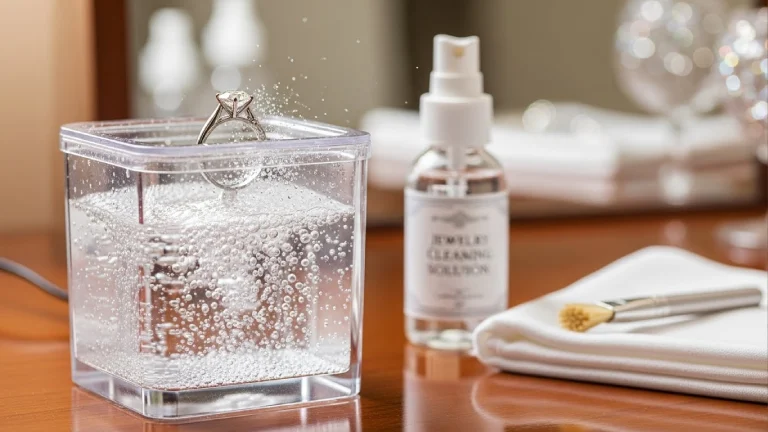
A jewelry cleaner plays a vital role in preserving the beauty, sparkle, and value of your favorite accessories. Rings, necklaces, bracelets, and earrings face daily exposure to dirt, oils, lotions, and environmental pollutants that slowly dull their brilliance. Without proper care, even the finest pieces lose their visual appeal.
Many people assume occasional wiping is enough, but real maintenance requires a deeper understanding of materials, cleaning methods, and long-term protection. Using the right jewelry cleaner helps prevent damage while restoring the shine that makes each piece special.
This in-depth guide explains how cleaning solutions work, how to choose the safest option, and how to maintain different metals and gemstones effectively.
Why Jewelry Loses Its Shine Over Time
Jewelry is constantly exposed to factors that affect its appearance. Natural skin oils, sweat, dust, makeup, and airborne particles build up gradually. Even clean hands can leave residue that creates a cloudy layer on metal and stones.
Environmental conditions also play a role. Humidity accelerates tarnishing, while exposure to chemicals found in perfumes and household products weakens protective finishes. Over time, these elements reduce reflectivity and brilliance.
Regular care restores clarity and protects the structure of each piece.
How Professional Cleaning Solutions Work
A jewelry cleaner is formulated to break down oils, lift dirt, and remove oxidation without harming delicate surfaces. Unlike harsh household chemicals, specialized formulas balance strength with safety.
These solutions typically work in three ways:
-
Dissolving buildup that clings to metal and gemstones
-
Loosening trapped particles from small crevices
-
Enhancing surface reflectivity for a polished finish
When used correctly, cleaning solutions refresh jewelry without weakening settings or scratching stones.
18k Gold Earrings: Timeless Elegance for Every Occasion
Different Types of Jewelry Cleaning Methods
Not all cleaning methods deliver the same results. Understanding available options helps you choose the right approach.
Liquid Cleaning Solutions
Liquid formulas are ideal for routine maintenance. They gently clean surfaces while being safe for frequent use.
Foam and Spray Cleaners
Foam and spray options offer convenience and precision. They work well for quick touch-ups and travel use.
Ultrasonic Cleaning
Ultrasonic devices use vibrations to dislodge dirt. These methods require caution, especially for soft or treated stones.
Polishing Cloths
Cloths restore surface shine but do not remove deep residue. They work best as a finishing step.
Choosing the Right Cleaner for Different Materials
Different materials require tailored care. A single approach does not suit all jewelry.
Gold Jewelry
Gold benefits from gentle solutions that remove oils without stripping the surface.
Silver Jewelry
Silver needs anti-tarnish support to prevent oxidation while maintaining brightness.
Diamonds
Diamonds tolerate stronger cleaning but still need safe handling to protect settings.
Gemstones
Soft or porous stones require mild solutions to avoid discoloration or cracking.
Selecting the correct jewelry cleaner ensures both cleanliness and longevity.
Comparison Chart: Jewelry Cleaning Methods
| Cleaning Method | Best For | Safety Level | Ease of Use | Long-Term Protection |
|---|---|---|---|---|
| Liquid Solution | All metals & stones | High | Easy | Excellent |
| Foam/Spray | Light dirt | High | Very Easy | Moderate |
| Ultrasonic | Hard stones | Medium | Moderate | Low |
| Polishing Cloth | Surface shine | Very High | Very Easy | Low |
| Professional Cleaning | Deep restoration | Very High | Low | Excellent |
This comparison helps readers understand which jewelry cleaner approach suits their needs best.
Step-by-Step Guide to Safe Jewelry Cleaning at Home
-
Prepare a clean, soft workspace
-
Apply a small amount of cleaning solution
-
Gently brush using a soft tool
-
Rinse with lukewarm water
-
Dry thoroughly using a lint-free cloth
Avoid excessive pressure and never rush the process. Gentle care produces better results than aggressive scrubbing.
Common Jewelry Cleaning Mistakes to Avoid
Many people unknowingly damage their jewelry during cleaning.
-
Using abrasive tools
-
Mixing incompatible materials
-
Over-cleaning delicate stones
-
Ignoring manufacturer care guidelines
Using a proper jewelry cleaner prevents these issues and protects your investment.
Long-Term Jewelry Care Tips
Cleaning works best when combined with smart habits:
-
Remove jewelry before heavy activity
-
Store pieces separately
-
Avoid exposure to chemicals
-
Clean regularly but gently
Consistency extends both beauty and durability.
Benefits of Regular Jewelry Cleaning
Routine cleaning improves more than appearance. It also:
-
Preserves structural integrity
-
Prevents stone loosening
-
Maintains resale value
-
Enhances everyday confidence
A high-quality jewelry cleaner supports all these benefits when used correctly.
FAQs
1. How often should jewelry be cleaned?
Most jewelry benefits from light cleaning every two weeks, with deeper cleaning once a month depending on wear.
2. Is professional cleaning always necessary?
Professional services help with deep restoration, but regular home cleaning is sufficient for most pieces.
3. Can all gemstones be cleaned the same way?
No. Each stone has unique properties that require specific care methods.
4. Does cleaning damage jewelry over time?
Safe methods and gentle products do not cause damage when used properly.
5. What is the safest option for daily maintenance?
A mild solution designed for regular use offers the best balance of safety and effectiveness.
Conclusion
A jewelry cleaner is more than a cosmetic solution—it is a key part of responsible jewelry ownership. Proper cleaning restores brilliance, protects materials, and ensures your favorite pieces remain beautiful for years to come.
By understanding cleaning methods, choosing safe solutions, and following smart care habits, you can enjoy long-lasting shine without risk. When used thoughtfully, the right jewelry cleaner transforms routine maintenance into lasting value.